

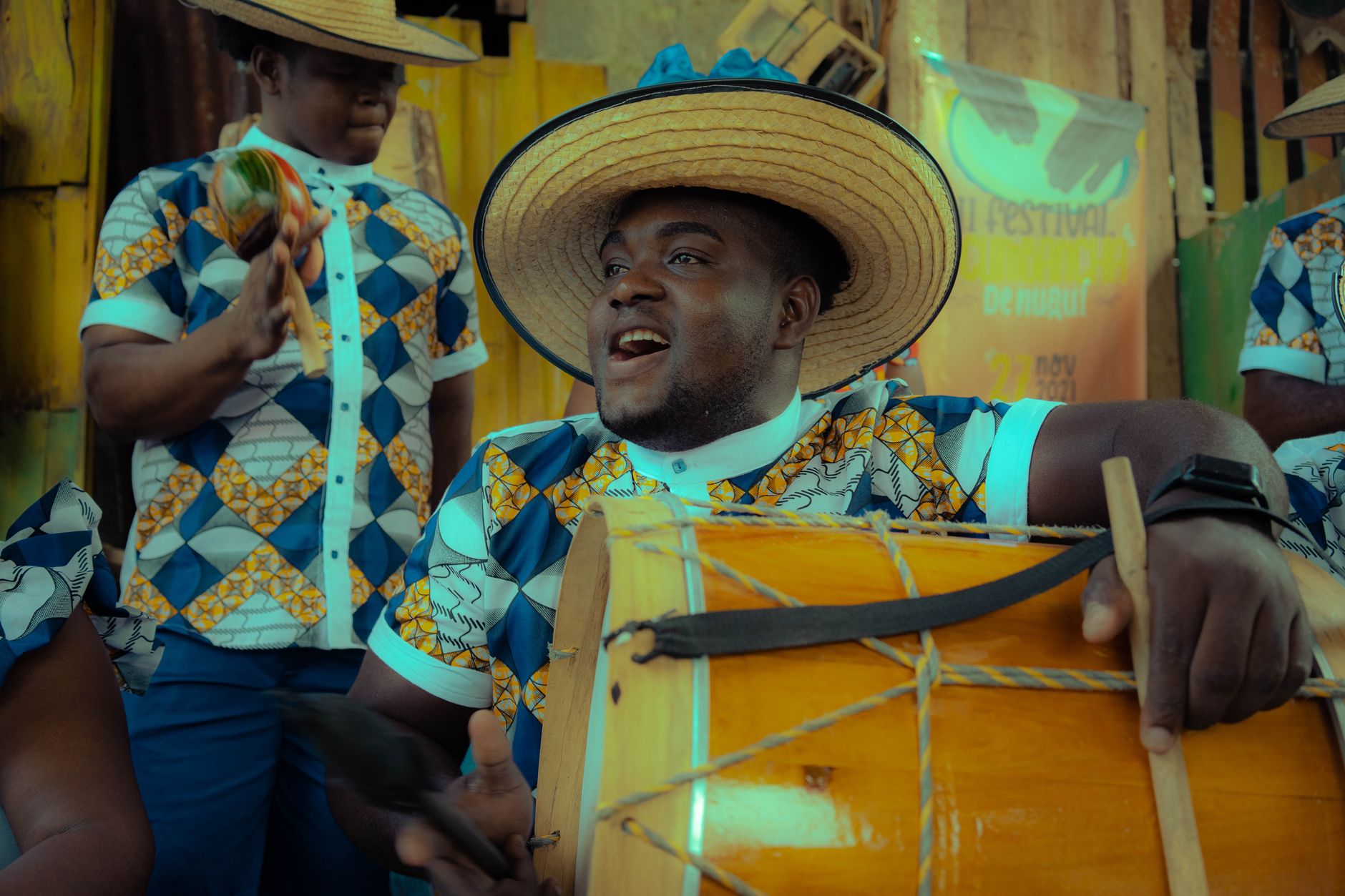
Musician wearing a semi-professional football club shirt at a music festival
Level
a2
Topic
culture
Read this at a different level:a1b2c1
My friend Tomás loves music and football. Last weekend, he went to Reading Festival with his sister. He came back very excited.
Tomás told me something interesting. The singer Grian Chatten walked out into the festival crowd in a football shirt. It was from a semi-professional club. Tomás did not know the club before. But he looked it up on his phone. He showed the photos to me.
After the festival, many fans went from the concert straight into online shops. They wanted the same shirt. The club said that shirt sales almost doubled. Tomás was surprised. He did not expect a music festival to help a small football club.
Tomás is going to buy the shirt too. He walked into a sports shop yesterday, but they did not have it. He is going to try online next week.
Highlighted sentences show the grammar focus structure.
Key Vocabulary
crowd
/kraʊd/
A large group of people in the same place at the same time.
There was a big crowd at the market on Saturday morning.
excited
/ɪkˈsaɪtɪd/
Feeling very happy and full of energy because something good is happening or going to happen.
The children were excited on the morning of their school trip.
double
/ˈdʌbəl/
To become two times bigger or two times more than before.
The number of students in the class doubled when the new school opened.
expect
/ɪkˈspɛkt/
To think that something will happen or that someone will do something.
I did not expect the weather to be so cold in April.
straight
/streɪt/
Without stopping or going anywhere else first; directly.
After school, she went straight home to have dinner with her family.
| Image | Word | IPA | Definition | Example |
|---|---|---|---|---|
crowd | /kraʊd/ | A large group of people in the same place at the same time. | There was a big crowd at the market on Saturday morning. | |
excited | /ɪkˈsaɪtɪd/ | Feeling very happy and full of energy because something good is happening or going to happen. | The children were excited on the morning of their school trip. | |
double | /ˈdʌbəl/ | To become two times bigger or two times more than before. | The number of students in the class doubled when the new school opened. | |
expect | /ɪkˈspɛkt/ | To think that something will happen or that someone will do something. | I did not expect the weather to be so cold in April. | |
straight | /streɪt/ | Without stopping or going anywhere else first; directly. | After school, she went straight home to have dinner with her family. |
Grammar Spotlight
Future with 'going to' — Plans and Predictions
am / is / are + going to + base verb
When do we use it?
- Use it to talk about plans you have already decided — things you intend to do in the future.
- Use it to make predictions when you can see or know something now — the evidence is already there.
- It works for near or distant future — what matters is that the decision or evidence exists now.
How is it formed?
am / is / are+going to+base verb
Use 'am' with I, 'is' with he/she/it, 'are' with you/we/they
★Subject + am/is/are + going to + verb
See it in action
Tomás is going to go to another music festival next summer.
His sister is going to tell all her friends about Grian Chatten.
Look at those clouds — it is going to rain during the festival.
I am going to watch Fontaines D.C. perform live one day.
Remember this
✗He is going to went to the festival.
✓He is going to go to the festival.
After 'going to', always use the base form of the verb, not a past or conjugated form.
✗She going to watch the concert tonight.
✓She is going to watch the concert tonight.
You must include the verb 'to be' (am/is/are). It cannot be left out.
✗They are going to to buy tickets.
✓They are going to buy tickets.
'Going to' already contains 'to'. Do not add a second 'to' before the verb.
Discussion Questions
- 1.
Do you enjoy going to music festivals or concerts? Have you ever been to one in your country?
- 2.
Is football popular where you live? Do people in your city or town support a local team?
- 3.
Have you ever bought something because a singer or famous person wore it or used it? What did you buy?
Comprehension Questions
- 1.
Where did Tomás go last weekend?
- 2.
What did Grian Chatten wear into the crowd?
- 3.
Why did shirt sales almost double after the festival?
- 4.
Did Tomás find the shirt in the sports shop?
View answers for the comprehension questions
- 1.Tomás went to Reading Festival with his sister.
- 2.He wore a football shirt from a semi-professional club.
- 3.Many fans wanted the same shirt as the singer, so they went to online shops to buy it.
- 4.No, he did not. The shop did not have the shirt, so he is going to try online next week.
Test your knowledge
Question 1Fill-in-the-blank
She did not ____ the bus to be so late, so she missed her meeting.
Question 2Fill-in-the-blank
The number of students in the class will ____ next year, from ten to twenty.
Question 3Fill-in-the-blank
A large ____ of people waited outside the shop before it opened.
Question 4Fill-in-the-blank
After work, he went ____ home without stopping anywhere.
View answers for test your knowledge
- 1.expect
- 2.double
- 3.crowd
- 4.straight
Practice this topic live
Use what you’ve learned in a real 1:1 English conversation with an experienced Talk4Impact tutor.
Practice with tutor