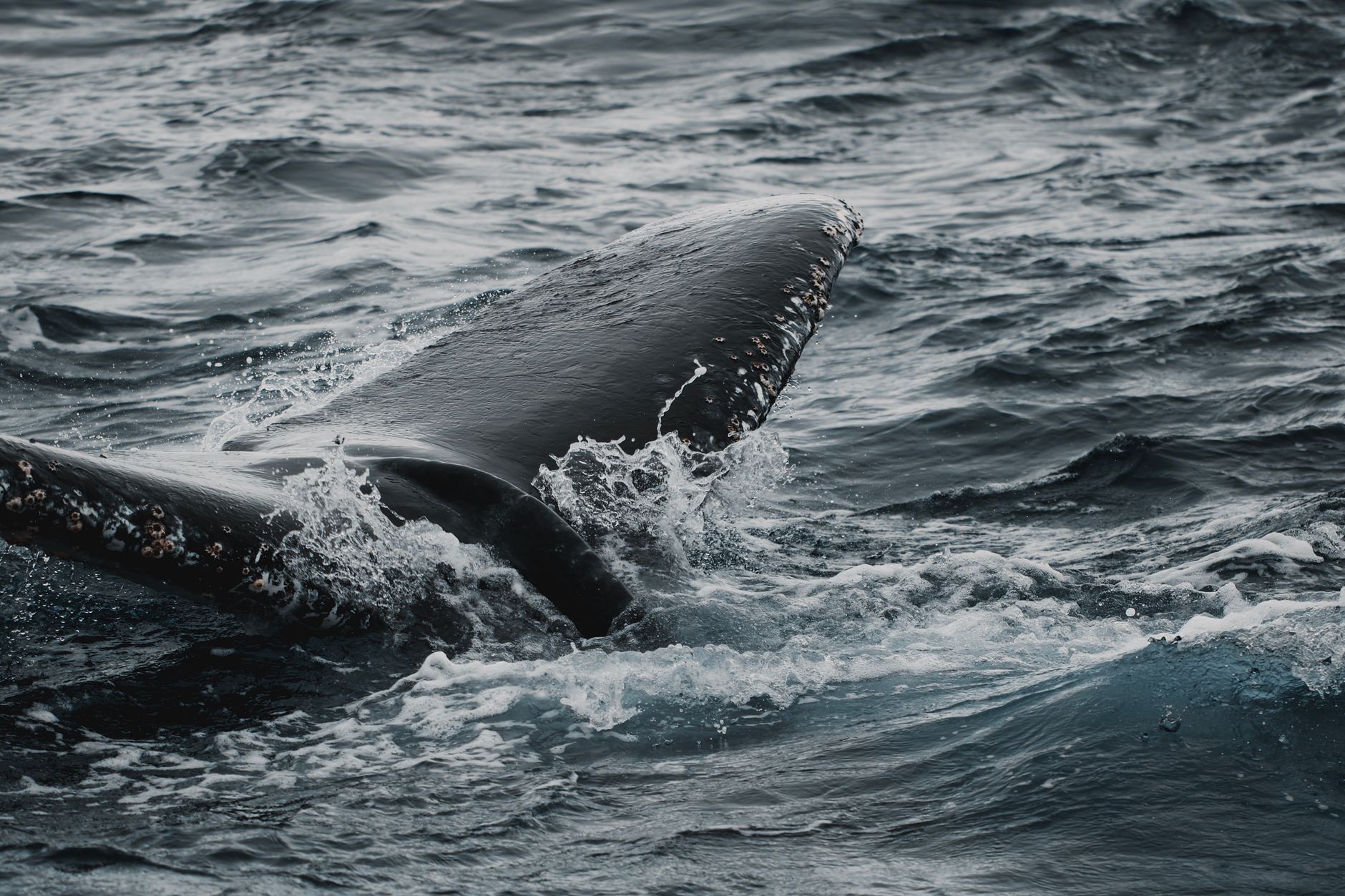

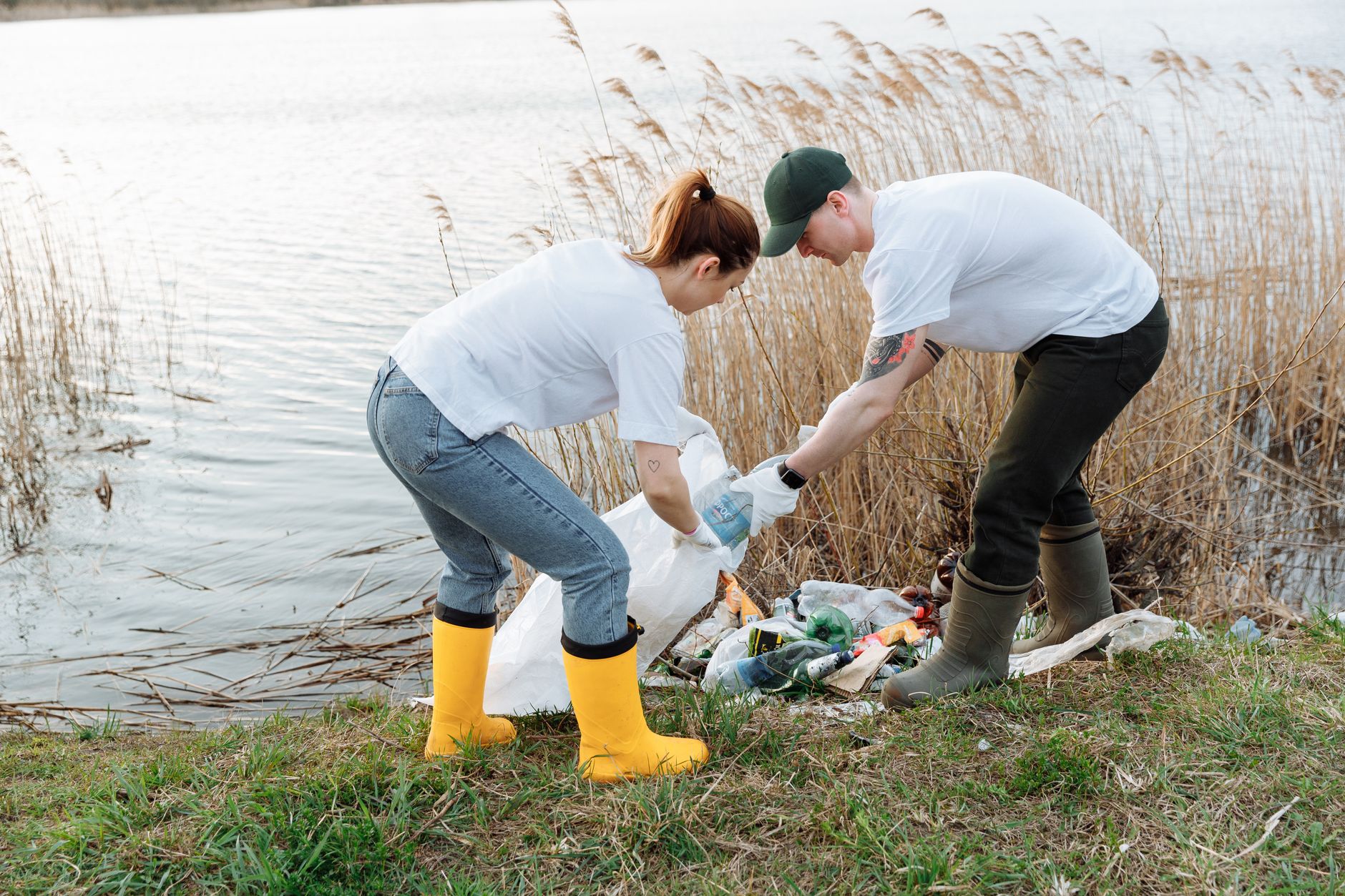
Volunteer river clean-up by divers in Northampton
Level
b2
Topic
environment
Read this at a different level:a2
Most people assume that river clean-ups are straightforward work — gloves, bags, and a free afternoon. The reality, as a team of divers from Northampton Scuba School recently demonstrated, is considerably more demanding than that.
The group spent six hours underwater, removing waste from a local river in a clean-up event that also involved several other organisations in the area. The partnership with those groups would have been difficult to arrange without shared commitment to the local environment. Working beneath the surface, the divers dealt with waste that would never have been reached by volunteers working from the riverbank alone. The river, which had accumulated years of discarded material, presented challenges that only trained divers could realistically handle.
The scale of the effort reflects a growing recognition that surface-level clean-ups, while valuable, often leave the deeper problem untouched. Partnering with local organisations meant that the event was better resourced and more visible to the wider community. It seems likely that the clean-up would have had far less impact if the divers had worked independently, without that network of support behind them.
Events like this one raise important questions about how communities look after the waterways running through them. The river had clearly been collecting waste for some time before anyone had organised a response at this level. Nevertheless, the six-hour effort by the Northampton Scuba School team demonstrates what a skilled and motivated group can achieve when it commits fully to a goal. The waste removed from the riverbed would otherwise have continued affecting the water quality and the wildlife depending on it.
For local residents who had perhaps walked past the river without giving its condition much thought, the clean-up may have offered a different perspective on what lies beneath the surface.
Highlighted sentences show the grammar focus structure.
Key Vocabulary
accumulated
/əˈkjuːmjəleɪtɪd/
To have gradually gathered or collected a large amount of something over a period of time.
By the end of the semester, she had accumulated so many library books that she needed two bags to return them all.
demonstrate
/ˈdemənstreɪt/
To show clearly that something is true or that something can be done, often through action or evidence.
The new study demonstrates that regular exercise can significantly improve mental health outcomes.
commitment
/kəˈmɪtmənt/
A strong sense of dedication to a cause, activity, or goal that motivates continued effort.
Her commitment to learning the language meant she practised for at least an hour every single day.
recognition
/ˌrekəɡˈnɪʃən/
The process of accepting or acknowledging that something exists, is true, or has value.
There is a growing recognition among employers that flexible working hours improve staff productivity.
perspective
/pəˈspektɪv/
A particular way of thinking about or understanding something, often shaped by one's experience or position.
Travelling abroad gave him a completely new perspective on how people in other cultures approach daily life.
resourced
/rɪˈzɔːrst/
Provided with the money, people, equipment, or other things needed to carry out a task effectively.
The community health programme was well resourced and managed to reach thousands of families in its first year.
independently
/ˌɪndɪˈpendəntli/
In a way that is done alone or without relying on help or support from others.
After months of practice, the students were able to complete the research project independently without guidance from their teacher.
| Image | Word | IPA | Definition | Example |
|---|---|---|---|---|
accumulated | /əˈkjuːmjəleɪtɪd/ | To have gradually gathered or collected a large amount of something over a period of time. | By the end of the semester, she had accumulated so many library books that she needed two bags to return them all. | |
demonstrate | /ˈdemənstreɪt/ | To show clearly that something is true or that something can be done, often through action or evidence. | The new study demonstrates that regular exercise can significantly improve mental health outcomes. | |
commitment | /kəˈmɪtmənt/ | A strong sense of dedication to a cause, activity, or goal that motivates continued effort. | Her commitment to learning the language meant she practised for at least an hour every single day. | |
recognition | /ˌrekəɡˈnɪʃən/ | The process of accepting or acknowledging that something exists, is true, or has value. | There is a growing recognition among employers that flexible working hours improve staff productivity. | |
perspective | /pəˈspektɪv/ | A particular way of thinking about or understanding something, often shaped by one's experience or position. | Travelling abroad gave him a completely new perspective on how people in other cultures approach daily life. | |
resourced | /rɪˈzɔːrst/ | Provided with the money, people, equipment, or other things needed to carry out a task effectively. | The community health programme was well resourced and managed to reach thousands of families in its first year. | |
independently | /ˌɪndɪˈpendəntli/ | In a way that is done alone or without relying on help or support from others. | After months of practice, the students were able to complete the research project independently without guidance from their teacher. |
Grammar Spotlight
Modal Perfects: would have done (hypothetical past)
would have + past participle
When do we use it?
- Use it to describe what was possible or expected in the past, but did not actually happen — the result of an imagined condition.
- Use it in the main clause of a third conditional sentence, where the 'if' clause describes an unreal past situation.
- Use it to speculate or reflect on past decisions, expressing regret, criticism, or relief about how things could have gone differently.
How is it formed?
would have+past participle
'would have' is often contracted to 'would've' in speech
★Imagining a different past? Use would have + done.
See it in action
Without proper training, the divers would have struggled to remove the heavy waste safely.
If the team had arrived later, they would have missed the best visibility conditions underwater.
A single volunteer with a bag would have found the job impossible in six hours.
She said she would have joined the clean-up if she had known about it sooner.
Remember this
✗They would have went to the river if they had time.
✓They would have gone to the river if they had had time.
'would have' must be followed by a past participle, not a simple past form. 'Went' is past simple; 'gone' is the correct past participle.
✗If they trained harder, they would have done better.
✓If they had trained harder, they would have done better.
In a third conditional, the 'if' clause requires 'had + past participle' (past perfect), not past simple, to signal an unreal past situation.
✗The divers would of removed more waste with extra equipment.
✓The divers would have removed more waste with extra equipment.
'Would of' is a common spelling error caused by the contracted sound of 'would've'. Always write 'would have', never 'would of'.
Discussion Questions
- 1.
In your country, how well do local communities look after rivers, lakes, or other waterways? What kinds of efforts, if any, do people make to keep them clean?
- 2.
To what extent do you think individuals have a personal responsibility to take care of the natural environment around them, and what factors might make it harder for people to act on that responsibility?
- 3.
Think about a public space in your city or town — a park, a beach, a street — that you feel is either well looked after or neglected. What do you think explains its condition, and who do you think should be responsible for improving it?
- 4.
How might a community event — like a clean-up or a local project — change the way people feel about the place where they live? Have you ever taken part in something like this, or seen it happen around you?
Comprehension Questions
- 1.
Why were trained divers considered necessary for this clean-up, rather than ordinary volunteers working from the riverbank?
- 2.
What does the article suggest about the limitations of surface-level clean-ups?
- 3.
How did partnering with other local organisations improve the outcome of the clean-up event?
- 4.
What might have happened to the waste on the riverbed if the clean-up event had never been organised?
- 5.
In what way does the writer suggest the clean-up may have changed how local residents think about the river?
View answers for the comprehension questions
- 1.The river had accumulated years of discarded material at depths that surface volunteers could not reach. Only trained divers could realistically handle the challenges presented by waste lying beneath the water.
- 2.The article suggests that while surface-level clean-ups have value, they often leave deeper problems untouched. Waste settled on the riverbed continues to affect water quality and wildlife unless divers are involved.
- 3.Partnering with other organisations meant the event was better resourced and more visible to the wider community. The article implies the clean-up would have had far less impact if the divers had worked independently, without that network of support.
- 4.According to the article, the waste would have continued affecting water quality and the wildlife depending on the river. The river had already been collecting discarded material for some time before anyone organised a response at this level, suggesting the problem would have worsened further.
- 5.The writer suggests that residents who had walked past the river without considering its condition might have gained a different perspective on what lies beneath the surface. The event made a hidden problem visible and real to people who had previously overlooked it.
Test your knowledge
Question 1Fill-in-the-blank
Over the years, the old warehouse had ____ so much dust and broken furniture that clearing it out took an entire week.
Question 2Fill-in-the-blank
After years of debate, there is now growing ____ among health experts that regular sleep is just as important as diet and exercise.
Question 3Fill-in-the-blank
She preferred to study ____, without a study group, because she found she concentrated better when there were no distractions.
Question 4Fill-in-the-blank
The new community centre was well ____ from the start, with enough staff, equipment, and funding to serve the whole neighbourhood.
Question 5Fill-in-the-blank
Travelling abroad for the first time gave her a completely new ____ on how people in other places organise their daily lives.
View answers for test your knowledge
- 1.accumulated
- 2.recognition
- 3.independently
- 4.resourced
- 5.perspective
Practice this topic live
Use what you’ve learned in a real 1:1 English conversation with an experienced Talk4Impact tutor.
Practice with tutor