
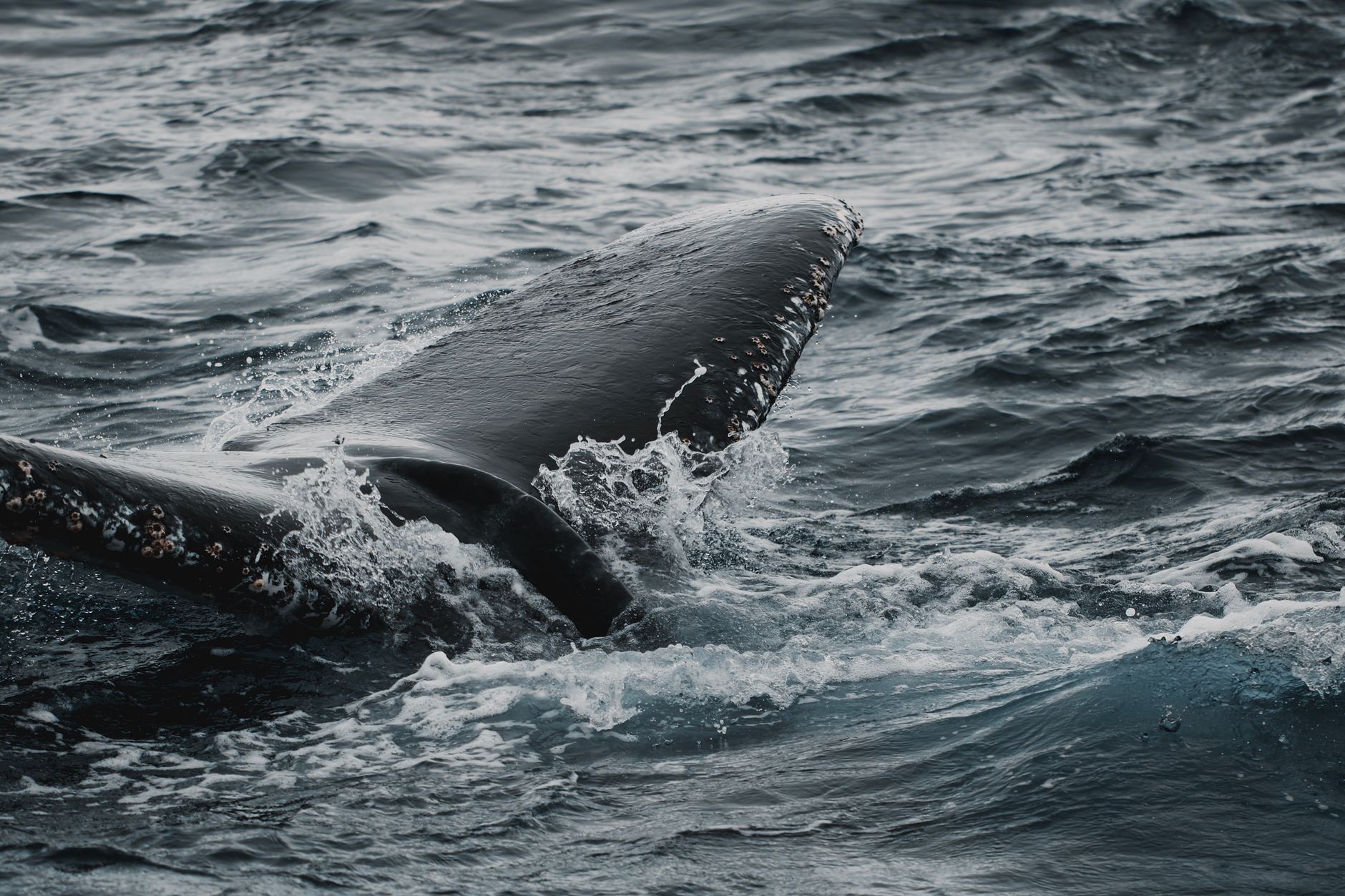
Humpback whale sighting in Welsh waters
Level
b1
Topic
environment
My friend Kieran works as a wildlife photographer near the Welsh coast. Last month, he called me with the most exciting news I have heard in years. A humpback whale had appeared in Welsh waters. He could barely speak. "I saw it," he said. "Right there in front of me."
Kieran told me that humpback whales are a rare sight in that part of the world. Wildlife cameraman Dan Abbot was the person that spotted the whale first. Kieran said that even Dan seemed surprised. That is saying something, because Dan has spent years watching animals in the wild. Kieran believes that experienced wildlife professionals react the most quickly when something unexpected happens. But even they can be shocked by what they see.
I asked Kieran what surprised him the most. He said the size of the animal moved him the most deeply. He has seen many creatures in Welsh waters before, but nothing like this. If you work outdoors every day, you might think you have seen everything. But nature can still surprise you.
Kieran has shared his photos online, and many people have already commented on them. Some say they have never seen anything like it. I think this sighting shows how important it is to protect ocean habitats. Wild places can still offer us something truly wonderful.
Highlighted sentences show the grammar focus structure.
Key Vocabulary
wildlife
/ˈwaɪldlaɪf/
Animals and plants that live in natural places and are not kept by people.
The national park is home to a wide variety of wildlife, including deer and foxes.
spot
/spɒt/
To notice or see something or someone, especially when it is not easy to do so.
She was the first person to spot the error in the report.
experienced
/ɪkˈspɪəriənst/
Having a lot of knowledge or skill because you have done something for a long time.
The school hired an experienced teacher to lead the new science programme.
creature
/ˈkriːtʃə/
Any living animal, especially when you are thinking about it in a general way.
The children were amazed to find a strange little creature living under the rock.
habitat
/ˈhæbɪtæt/
The natural environment where a plant or animal normally lives and grows.
Cutting down trees destroys the habitat of many birds and insects.
protect
/prəˈtekt/
To keep someone or something safe from harm or damage.
We should all do our part to protect the environment for future generations.
| Image | Word | IPA | Definition | Example |
|---|---|---|---|---|
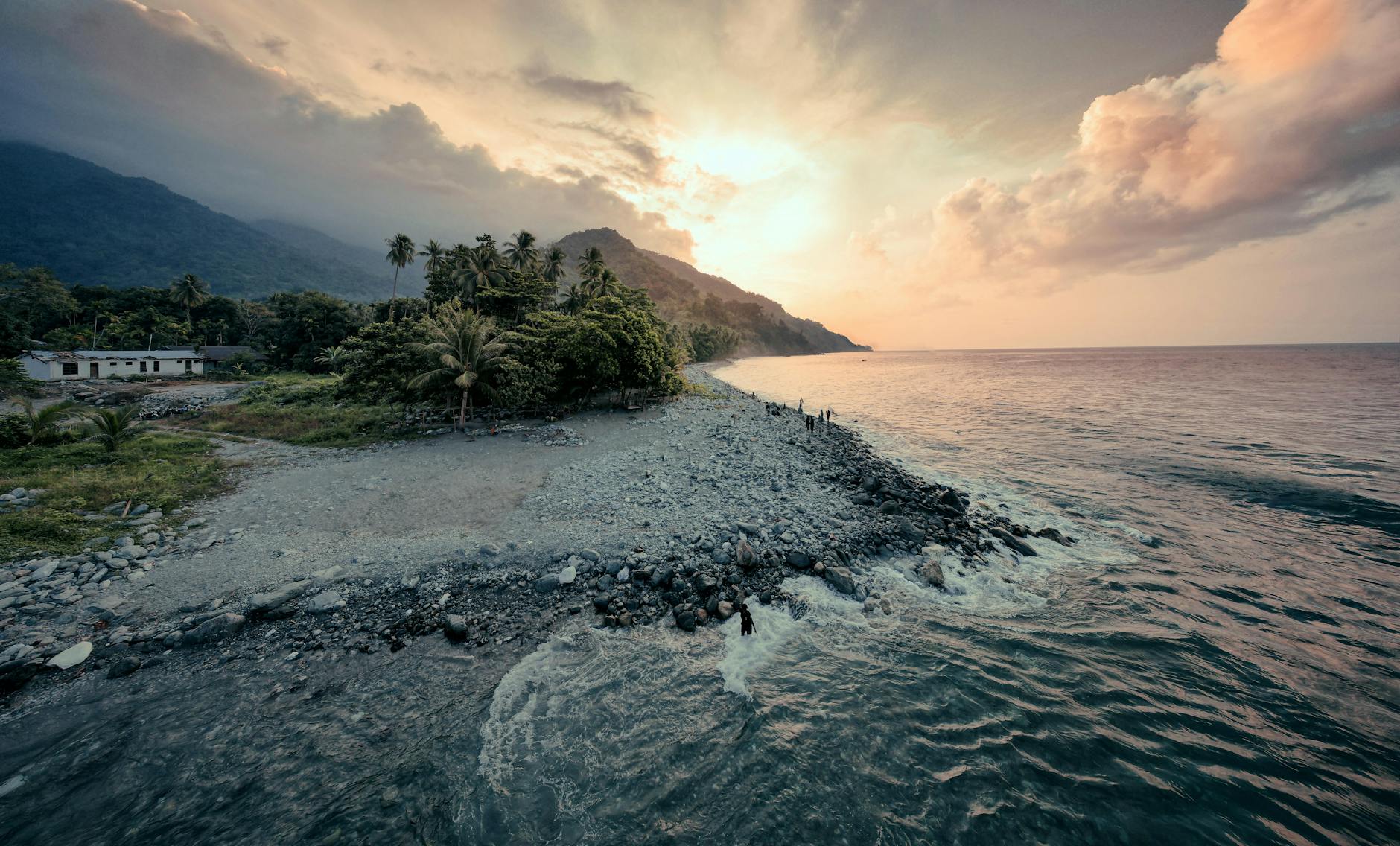
wildlife | /ˈwaɪldlaɪf/ | Animals and plants that live in natural places and are not kept by people. | The national park is home to a wide variety of wildlife, including deer and foxes. | |
spot | /spɒt/ | To notice or see something or someone, especially when it is not easy to do so. | She was the first person to spot the error in the report. | |
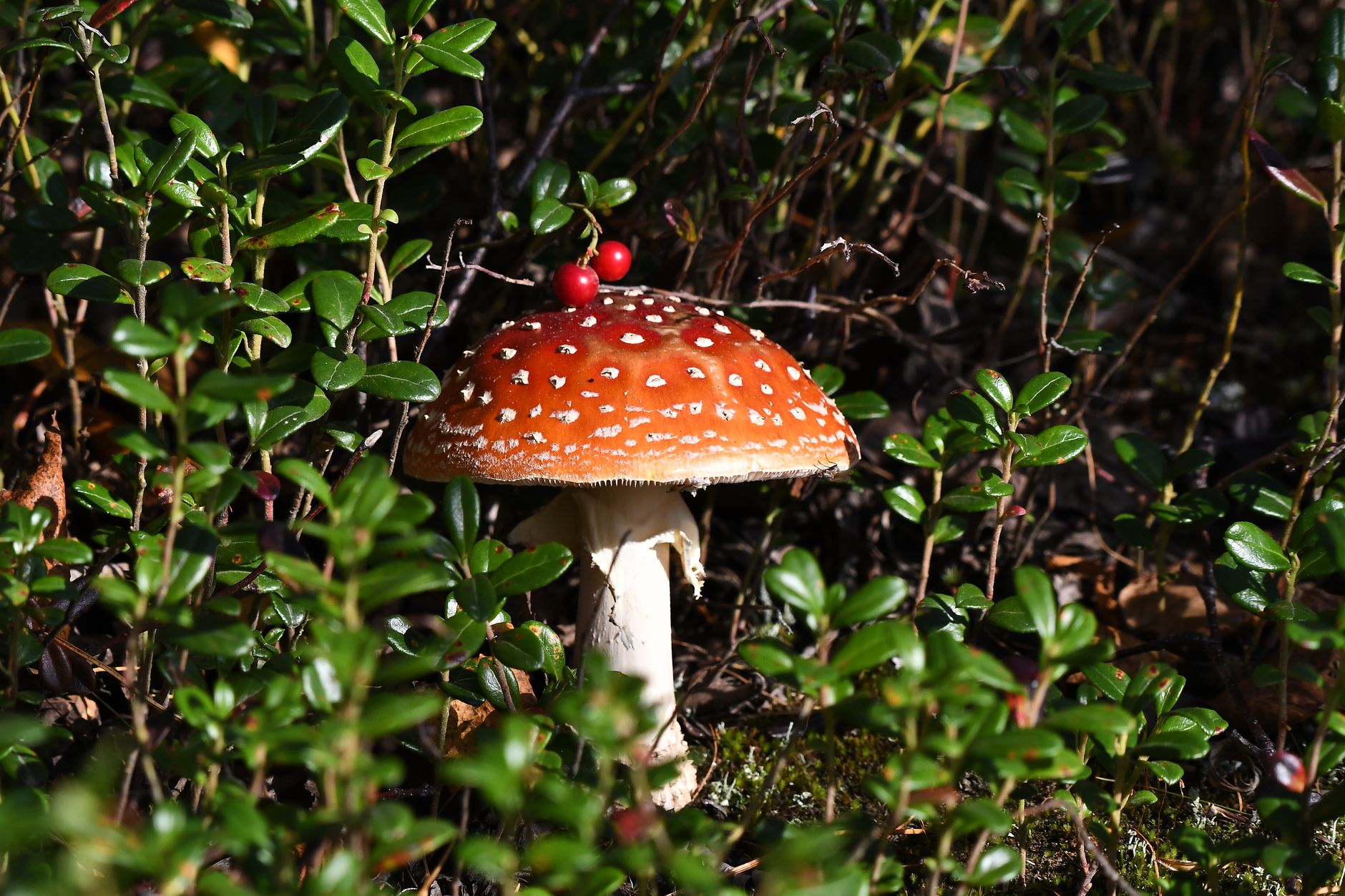
experienced | /ɪkˈspɪəriənst/ | Having a lot of knowledge or skill because you have done something for a long time. | The school hired an experienced teacher to lead the new science programme. | |
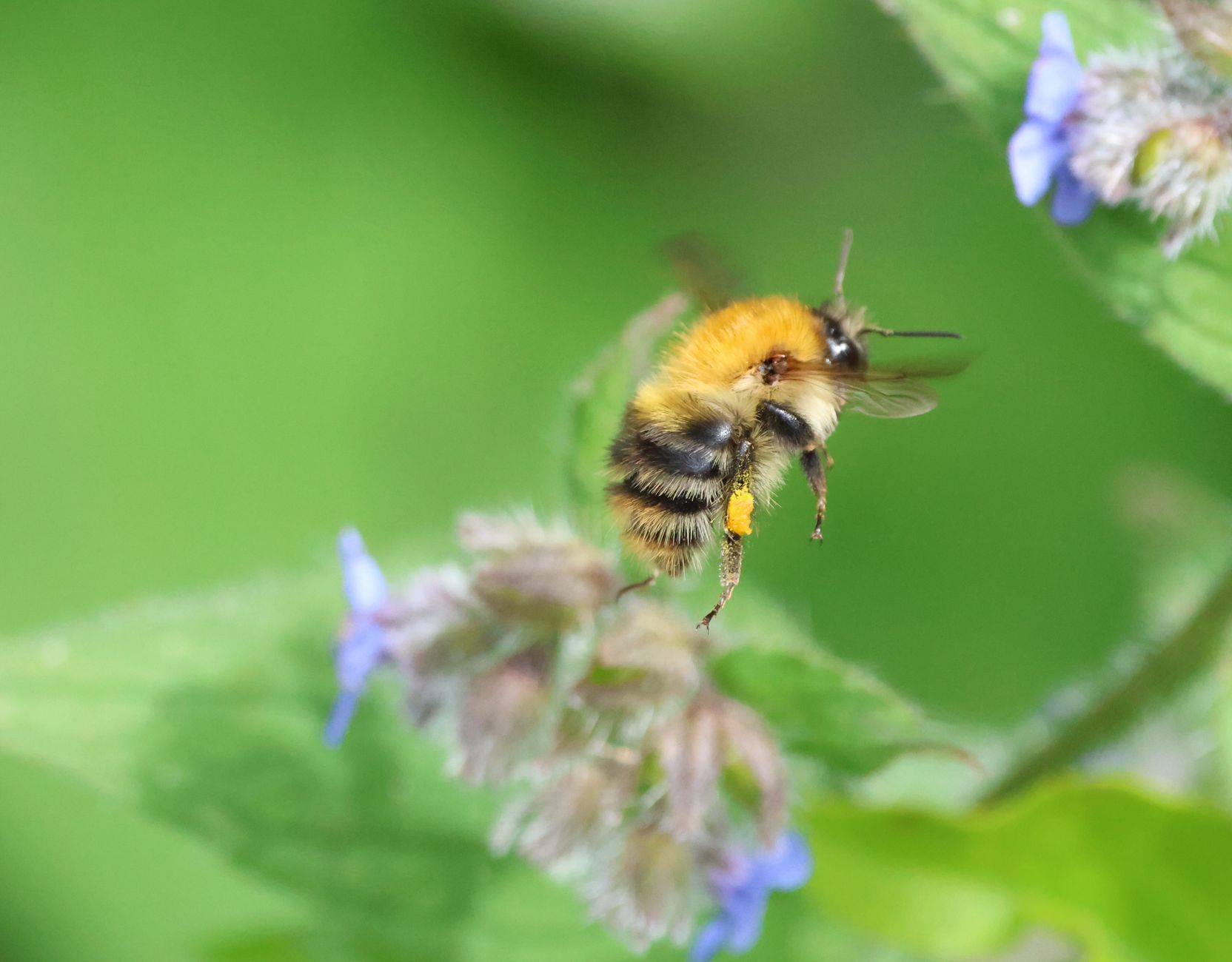
creature | /ˈkriːtʃə/ | Any living animal, especially when you are thinking about it in a general way. | The children were amazed to find a strange little creature living under the rock. | |
habitat | /ˈhæbɪtæt/ | The natural environment where a plant or animal normally lives and grows. | Cutting down trees destroys the habitat of many birds and insects. | |
protect | /prəˈtekt/ | To keep someone or something safe from harm or damage. | We should all do our part to protect the environment for future generations. |
Grammar Spotlight
Superlative Adverbs
the most + adverb
When do we use it?
- Use superlative adverbs to say that one person or thing does an action to the greatest degree compared to all others.
- They often appear with verbs of action or behaviour, especially when comparing how people do things differently.
- Common in stories and descriptions — great for saying who reacted fastest, moved most quietly, or spoke most clearly.
How is it formed?
the most++ adverb (e.g. quickly, carefully, quietly)
Use 'the least' for the opposite (the least quickly)
★the most + adverb = nobody does it more!
See it in action
Of all the photographers, Kieran moved the most quietly so he wouldn't disturb the whale.
The humpback whale dives the most gracefully of all sea creatures.
Kieran called me the most excitedly he had ever spoken in his life.
Among the crew, she reacted the most quickly when the whale appeared.
Remember this
Most superlative adverbs are formed with 'the most + adverb', but a small group of common adverbs have irregular superlative forms.
!
'well' → 'the best' (not 'the most well'): Kieran photographs wildlife the best of anyone I know.
!
'badly' → 'the worst' (not 'the most badly'): I handled the news the worst — I couldn't stop asking questions.
!
'fast' → 'the fastest' (not 'the most fast' — one-syllable adverbs add -est): The whale moved the fastest when it dived below the surface.
!
'hard' → 'the hardest' (not 'the most hard'): Kieran worked the hardest to get the perfect shot.
Discussion Questions
- 1.
Have you ever seen a wild animal that surprised or amazed you? What happened, and how did you feel?
- 2.
Are there any wild animals or natural places that are special or famous in your country? What do people there think about protecting them?
- 3.
If you could spend a day working outdoors in nature — for example, as a wildlife photographer or a park guide — what would you choose to do and why?
Comprehension Questions
- 1.
Why was Kieran barely able to speak when he called the writer?
- 2.
Who first noticed the humpback whale?
- 3.
What surprised Kieran the most about the whale?
- 4.
How have other people reacted to Kieran's photos online?
- 5.
Does the writer think this event has a wider importance? What does the writer say?
View answers for the comprehension questions
- 1.Kieran was so excited because he had just seen a humpback whale in Welsh waters, which is a very rare sight in that part of the world.
- 2.Wildlife cameraman Dan Abbot was the first person to spot the whale.
- 3.Kieran was most surprised by the size of the animal. He had seen many creatures in Welsh waters before, but nothing like this.
- 4.Many people have commented on the photos, and some say they have never seen anything like it.
- 5.Yes, the writer thinks the sighting shows how important it is to protect ocean habitats, and that wild places can still offer us something truly wonderful.
Test your knowledge
Question 1Fill-in-the-blank
The children were excited to see every ____ at the zoo, from the tiny insects to the large elephants.
Question 2Fill-in-the-blank
She was the first person to ____ the mistake in the report before it was sent to the manager.
Question 3Fill-in-the-blank
The most ____ teacher at the school had been working there for over twenty years.
Question 4Fill-in-the-blank
You should always wear a helmet to ____ your head when you ride a bicycle.
View answers for test your knowledge
- 1.creature
- 2.spot
- 3.experienced
- 4.protect
Practice this topic live
Use what you’ve learned in a real 1:1 English conversation with an experienced Talk4Impact tutor.
Practice with tutor