
Autumn fungi spotting for families
Level
b2
Topic
environment
Read this at a different level:a1c1
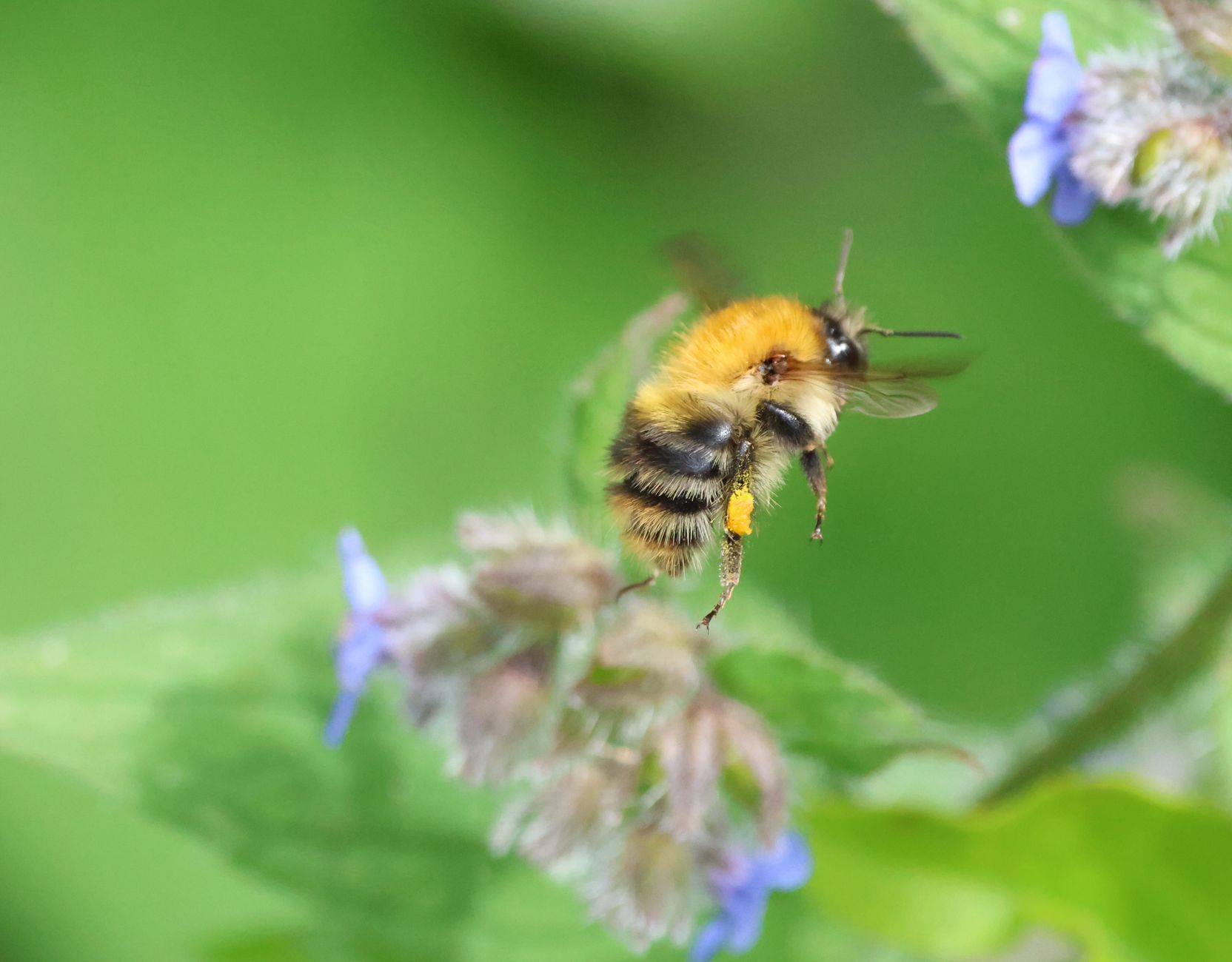
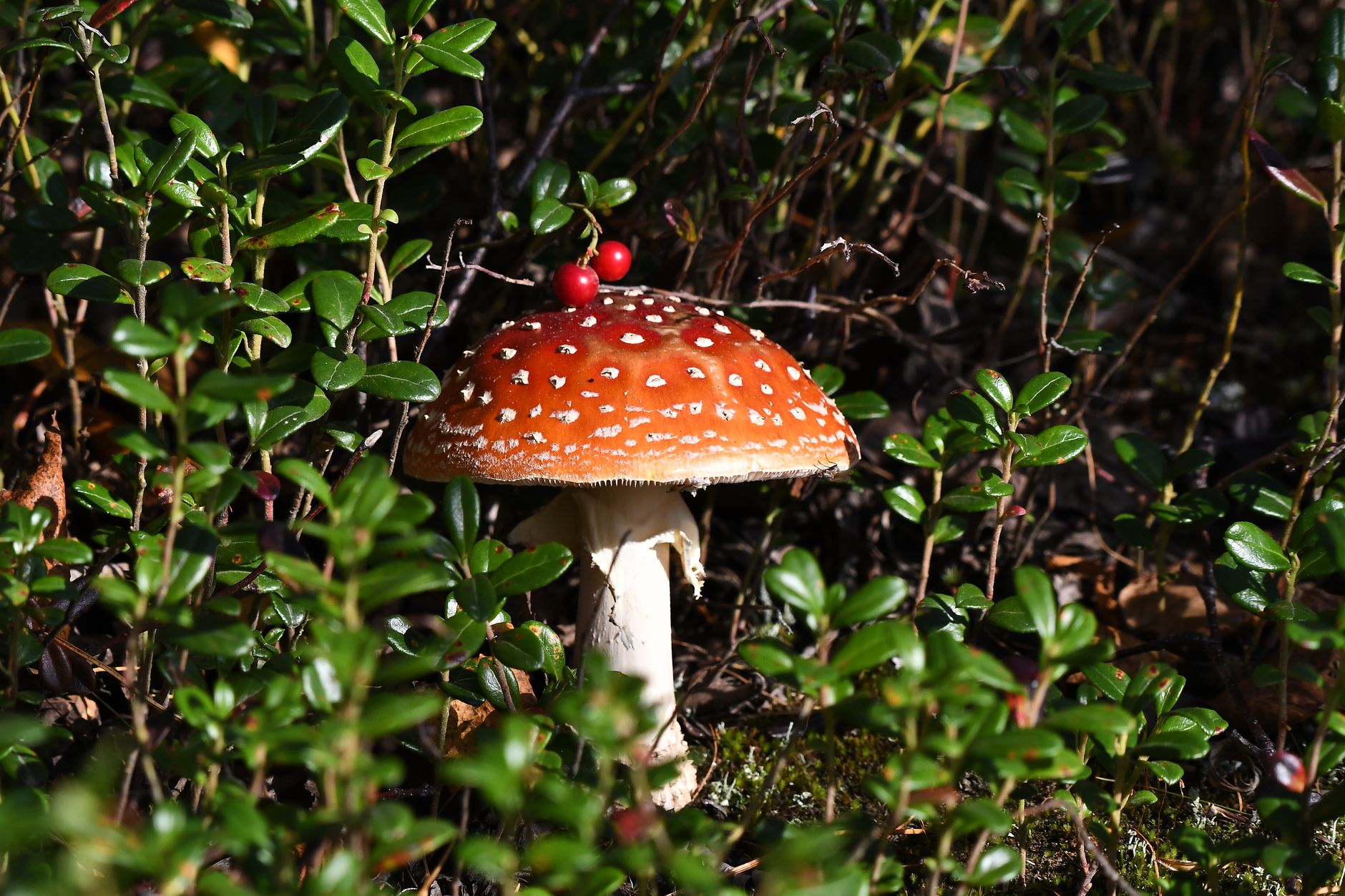
Most people think of autumn as a season for colourful leaves and cold mornings — but experts are now pointing out that it is also one of the best times to discover something far more unusual. Fungi, which grow in remarkable variety during the cooler, wetter months, are appearing in woodlands, parks, and even gardens close to where many people live. Specialists are actively encouraging families to head outside and look for them.
The appeal is straightforward. Autumn provides ideal conditions for fungi to emerge, since the combination of moisture and falling temperatures triggers growth across a wide range of species. Many fungi had remained hidden underground for months before the season's first rains brought them to the surface. Experts suggest that families photograph whatever they find near their homes, creating a personal record of local species. This kind of close observation, which requires no specialist equipment, can turn an ordinary walk into something genuinely engaging.
However, it is important to approach fungi spotting with care. Many species look similar, and some are highly toxic. Consequently, experts recommend that people look and photograph rather than touch or collect. In addition, children who have never paid close attention to the ground during a walk may be surprised by how much variety exists within a short distance. A single woodland path might reveal dozens of different forms, colours, and textures.
Despite the simplicity of the activity, the learning opportunities it offers are considerable. Families who have taken up fungi spotting report that it has changed the way they notice their local environment throughout the year. Furthermore, it requires nothing more than a smartphone and a willingness to slow down. For families looking for a low-cost, outdoor activity this autumn, it seems hard to find a more rewarding option.
Highlighted sentences show the grammar focus structure.
Key Vocabulary
remarkable
/rɪˈmɑːrkəbəl/
Unusual or impressive in a way that deserves attention or admiration.
The young pianist showed remarkable talent for someone who had only been playing for two years.
trigger
/ˈtrɪɡər/
To cause something to start or happen, often as a reaction to a particular condition.
The sudden drop in share prices triggered a wave of panic selling across the market.
toxic
/ˈtɒksɪk/
Containing a substance that is poisonous and can cause serious harm or death.
Workers at the factory were required to wear protective suits when handling toxic chemicals.
texture
/ˈtekstʃər/
The way the surface of something feels or looks when you touch it or examine it closely.
She ran her fingers across the wall, surprised by the rough texture of the old stone.
considerable
/kənˈsɪdərəbəl/
Large in size, amount, or degree, and therefore worth taking seriously.
Moving to a new country requires a considerable amount of planning and preparation.
rewarding
/rɪˈwɔːrdɪŋ/
Giving a feeling of satisfaction or personal benefit, even if it involves effort.
Teaching can be an extremely rewarding career when you see your students make real progress.
point out
/ˌpɔɪnt ˈaʊt/
To draw someone's attention to a fact or piece of information, especially one they may not have noticed.
The manager pointed out that the report contained several errors before it was sent to the client.
| Image | Word | IPA | Definition | Example |
|---|---|---|---|---|
remarkable | /rɪˈmɑːrkəbəl/ | Unusual or impressive in a way that deserves attention or admiration. | The young pianist showed remarkable talent for someone who had only been playing for two years. | |
trigger | /ˈtrɪɡər/ | To cause something to start or happen, often as a reaction to a particular condition. | The sudden drop in share prices triggered a wave of panic selling across the market. | |
toxic | /ˈtɒksɪk/ | Containing a substance that is poisonous and can cause serious harm or death. | Workers at the factory were required to wear protective suits when handling toxic chemicals. | |
texture | /ˈtekstʃər/ | The way the surface of something feels or looks when you touch it or examine it closely. | She ran her fingers across the wall, surprised by the rough texture of the old stone. | |
considerable | /kənˈsɪdərəbəl/ | Large in size, amount, or degree, and therefore worth taking seriously. | Moving to a new country requires a considerable amount of planning and preparation. | |
rewarding | /rɪˈwɔːrdɪŋ/ | Giving a feeling of satisfaction or personal benefit, even if it involves effort. | Teaching can be an extremely rewarding career when you see your students make real progress. | |
point out | /ˌpɔɪnt ˈaʊt/ | To draw someone's attention to a fact or piece of information, especially one they may not have noticed. | The manager pointed out that the report contained several errors before it was sent to the client. |
Grammar Spotlight
Discourse Markers: Contrast, Addition & Result
however / nevertheless / despite / on the other hand / in addition / furthermore / moreover / therefore / consequently
When do we use it?
- Use contrast markers (however, nevertheless, on the other hand) to introduce an idea that is surprising or opposite to what was just said — especially in formal writing and structured speech.
- Use addition markers (in addition, furthermore, moreover) to build on a point and add weight to an argument, moving from basic to stronger evidence.
- Use result markers (therefore, consequently) to show that one situation logically causes or leads to another — common in academic and professional contexts.
How is it formed?
Sentence. + Discourse marker, + new sentence.+Despite / In spite of + noun phrase / -ing, + sentence.
'Despite' and 'in spite of' are followed by a noun or -ing form — NOT a full clause with a verb alone.
★Link ideas: contrast, add, or show result.
See it in action
Fungi are often overlooked by walkers. However, they play a vital role in woodland ecosystems.
Autumn mornings can be cold and damp. Nevertheless, many foragers consider this the ideal season for exploration.
Despite the wet conditions, fungi thrive and spread rapidly through the forest floor.
Fungi break down dead matter and return nutrients to the soil. Consequently, they are essential to the health of any woodland.
Remember this
Pattern: [Sentence 1]. [Discourse marker], [Sentence 2]. — OR — [Discourse marker] + [noun/-ing], [Sentence].
Correct
- ✓Fungi are fascinating. However, they are rarely studied in schools.
- ✓Despite being small, fungi have an enormous impact on the environment.
- ✓The season is short. Therefore, foragers must act quickly.
Avoid
- ✗Fungi are fascinating. However they are rarely studied in schools. [missing comma after 'however']
- ✗Despite fungi are small, they have an enormous impact. ['despite' cannot be followed by a subject + verb — use 'although' instead]
- ✗Therefore foragers must act quickly. [needs a preceding sentence to establish the cause]
Discussion Questions
- 1.
In your country, are there any popular outdoor activities that families do together in autumn or another season? What makes those activities appealing to people where you live?
- 2.
To what extent do you think people in your city or region pay attention to the natural world around them in their daily lives? What factors might encourage or discourage that kind of awareness?
- 3.
How important is it to you personally to find low-cost ways to spend free time? Have you ever discovered an activity that turned out to be more rewarding than you expected, even though it cost very little?
- 4.
In what ways do you think spending time outdoors and observing nature can affect a person's wellbeing? Does your own experience support this idea, or have you found it depends on the person?
Comprehension Questions
- 1.
Why do experts consider autumn to be a particularly good time for fungi to emerge?
- 2.
What does the article suggest about the level of equipment or expertise needed to take up fungi spotting?
- 3.
How might a family's relationship with their local environment change as a result of taking up fungi spotting, according to the article?
- 4.
What could happen if a child or adult decided to collect fungi rather than simply photograph them?
- 5.
To what extent does the evidence in the article support the claim that fungi spotting is a genuinely rewarding activity?
View answers for the comprehension questions
- 1.Autumn provides the ideal combination of moisture and falling temperatures, which triggers growth across a wide range of fungi species. Many fungi had remained hidden underground for months before the season's first rains brought them to the surface.
- 2.The article suggests that fungi spotting requires no specialist equipment and very little expertise. A smartphone and a willingness to slow down and pay close attention are all that is needed.
- 3.According to the article, families who have taken up fungi spotting report that it has changed the way they notice their local environment throughout the entire year, not just in autumn. The activity encourages a habit of close observation that extends beyond the season itself.
- 4.Collecting fungi could be dangerous because many species look similar to one another and some are highly toxic. Experts specifically recommend looking and photographing rather than touching or collecting for this reason.
- 5.The article provides several pieces of evidence supporting this claim, including reports from families who say the activity changed how they notice their environment year-round, and the observation that a single woodland path can reveal dozens of different forms, colours, and textures. The writer also frames it as hard to beat as a low-cost outdoor option, suggesting strong overall endorsement.
Test your knowledge
Question 1Fill-in-the-blank
Loud music playing in the next room was enough to ____ a headache that lasted for the rest of the afternoon.
Question 2Fill-in-the-blank
She ran her fingers along the wall and was surprised by the rough ____ of the old stone surface.
Question 3Fill-in-the-blank
The label on the bottle clearly warned that the cleaning liquid was ____ and should be kept away from children.
Question 4Fill-in-the-blank
The team leader was careful to ____ every error in the report before the document was sent to the client.
Question 5Fill-in-the-blank
Preparing for a professional qualification takes a ____ amount of time and dedication over many months.
View answers for test your knowledge
- 1.trigger
- 2.texture
- 3.toxic
- 4.point out
- 5.considerable
Practice this topic live
Use what you’ve learned in a real 1:1 English conversation with an experienced Talk4Impact tutor.
Practice with tutor