

Ways to keep a home cool in hot weather
Level
b2
Topic
daily_life
Read this at a different level:a2c1
Most people assume that keeping a home cool in hot weather requires expensive equipment — but in practice, several simple actions can make a considerable difference. These methods have been used in warm climates for generations, and they remain effective today.
One of the most practical steps is managing light and airflow carefully. Windows should be kept closed during the hottest part of the day and opened in the evening, when cooler air can circulate. Curtains or blinds, which are often overlooked as a cooling tool, can block a significant amount of heat when they are drawn against direct sunlight. By the time afternoon temperatures peak, a room that has been shaded since morning will already feel noticeably cooler.
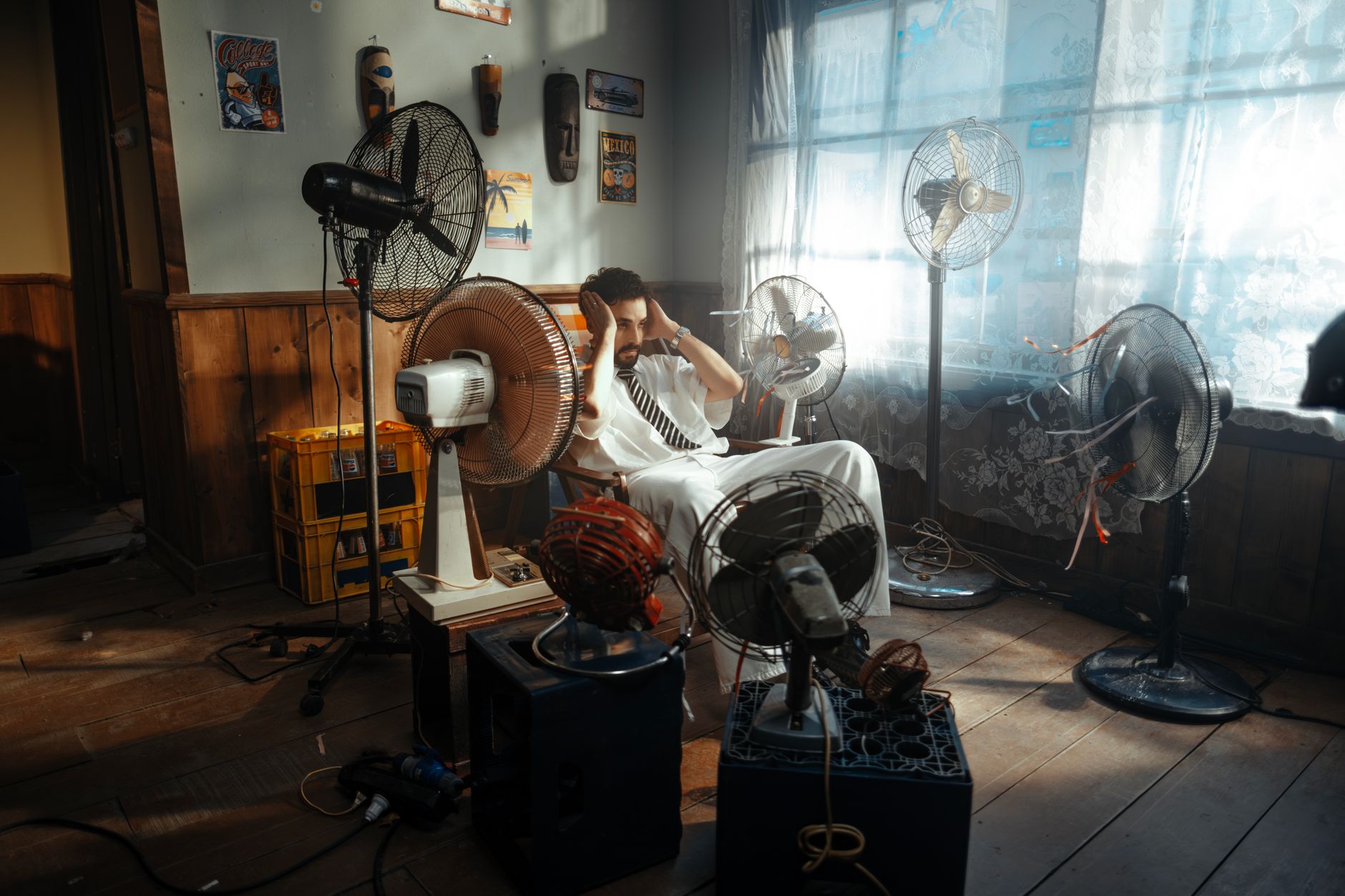
Fans can also be used more strategically than many people realize. A fan placed near an open window at night will draw in cooler air from outside. During the day, a bowl of cold water positioned in front of a fan may help lower the temperature of the surrounding air. These approaches have been recommended by home comfort experts as low-cost alternatives to air conditioning.
It is also worth considering how heat is generated inside the home itself. Cooking appliances, for example, can raise indoor temperatures considerably. Meals that do not need to be cooked, or dishes that can be prepared quickly, might be preferred on the hottest days. Similarly, electrical devices that are left on standby will continue to release heat and should be switched off when they are not needed.
Staying cool at home is not just a matter of comfort. Wellbeing can be seriously affected by prolonged heat exposure, so these practical steps are worth taking seriously.
Highlighted sentences show the grammar focus structure.
Key Vocabulary
considerable
/kənˈsɪdərəbl/
Large enough in size, amount, or degree to be noticeable or important.
The new manager made a considerable improvement to the team's performance within just a few months.
circulate
/ˈsɜːrkjəleɪt/
To move continuously through a system or area, or to cause something to do this.
It is important to open windows regularly so that fresh air can circulate throughout the office.
strategically
/strəˈtiːdʒɪkli/
In a way that is carefully planned to achieve a particular goal or advantage.
She strategically chose to apply for the job at the end of the financial year, when the company was most likely to be hiring.
alternative
/ɔːlˈtɜːrnətɪv/
Something that can be chosen or used instead of something else.
Taking the train is a cheaper alternative to flying for short distances within Europe.
appliance
/əˈplaɪəns/
A machine or piece of equipment designed to perform a specific task, especially in the home.
When moving into a new flat, she had to buy several kitchen appliances, including a washing machine and a refrigerator.
standby
/ˈstændbaɪ/
A state in which a device is not fully active but is ready to be used quickly.
Leaving your television on standby overnight can add up to a surprising amount of wasted electricity over the year.
prolonged
/prəˈlɔːŋd/
Continuing for a longer time than usual or expected.
After a prolonged period of negotiations, the two companies finally reached an agreement on the merger.
| Image | Word | IPA | Definition | Example |
|---|---|---|---|---|
considerable | /kənˈsɪdərəbl/ | Large enough in size, amount, or degree to be noticeable or important. | The new manager made a considerable improvement to the team's performance within just a few months. | |
circulate | /ˈsɜːrkjəleɪt/ | To move continuously through a system or area, or to cause something to do this. | It is important to open windows regularly so that fresh air can circulate throughout the office. | |
strategically | /strəˈtiːdʒɪkli/ | In a way that is carefully planned to achieve a particular goal or advantage. | She strategically chose to apply for the job at the end of the financial year, when the company was most likely to be hiring. | |
alternative | /ɔːlˈtɜːrnətɪv/ | Something that can be chosen or used instead of something else. | Taking the train is a cheaper alternative to flying for short distances within Europe. | |
appliance | /əˈplaɪəns/ | A machine or piece of equipment designed to perform a specific task, especially in the home. | When moving into a new flat, she had to buy several kitchen appliances, including a washing machine and a refrigerator. | |
standby | /ˈstændbaɪ/ | A state in which a device is not fully active but is ready to be used quickly. | Leaving your television on standby overnight can add up to a surprising amount of wasted electricity over the year. | |
prolonged | /prəˈlɔːŋd/ | Continuing for a longer time than usual or expected. | After a prolonged period of negotiations, the two companies finally reached an agreement on the merger. |
Grammar Spotlight
Passive Voice in all common tenses (present/past perfect passive, future passive, modal passive)
This is the teaching point of the lesson — the structure highlighted for students to study. The article uses other grammar structures alongside it naturally; only this structure is the focus.
The passive voice is formed with a form of 'be' + past participle. At B2 level, it appears across many tenses and with modal verbs (e.g. 'should be kept', 'have been used', 'can be prepared'). We use the passive when the action or result is more important than who performs it, which is common in informational and instructional writing.
Additional examples:
- The new safety guidelines have been distributed to all staff members.
- Passengers should be informed of any delays as soon as possible.
Discussion Questions
- 1.
To what extent do you think people in your community are aware of low-cost ways to stay cool at home, and what factors might stop them from using these methods?
- 2.
In what ways might the design of buildings in different parts of the world affect how easy or difficult it is to keep a home cool without using air conditioning?
- 3.
How might the increasing availability of cheap electrical appliances change the way people think about energy use and heat in their homes over the next few decades?
- 4.
What responsibilities, if any, do you think governments or landlords have when it comes to protecting people from the health risks of prolonged heat exposure at home?
Comprehension Questions
- 1.
According to the article, what should people do with their windows during the hottest part of the day, and why?
- 2.
What does the article suggest about the way most people use fans, and how could they use them more effectively?
- 3.
How does the information about cooking and electrical devices in the fourth paragraph connect to the article's broader argument about keeping a home cool?
- 4.
What might have happened to indoor temperatures if a person had not drawn their curtains against direct sunlight in the morning, even if they had kept their windows closed?
- 5.
To what extent does the article present keeping cool as a matter of personal comfort alone?
View answers for the comprehension questions
- 1.Windows should be kept closed during the hottest part of the day to prevent warm air from entering the home. They should be opened in the evening so that cooler air can circulate through the rooms.
- 2.The article implies that most people do not think carefully about how they position or use fans. More strategically, a fan can be placed near an open window at night to draw in cooler air, or positioned in front of a bowl of cold water during the day to help lower the surrounding air temperature.
- 3.The fourth paragraph reinforces the article's central argument that heat sources inside the home itself contribute to high indoor temperatures. By avoiding unnecessary cooking and switching off devices on standby, people can reduce the amount of heat generated indoors, complementing the ventilation and shading strategies discussed earlier.
- 4.If the curtains had not been drawn in the morning, a significant amount of heat from direct sunlight would have entered the room throughout the day. By the afternoon, the room would likely feel noticeably warmer than one that had been shaded since morning, suggesting that shading and window management work together rather than independently.
- 5.The article goes beyond presenting cooling as purely a comfort issue. In the final paragraph, it explicitly states that wellbeing can be seriously affected by prolonged heat exposure, suggesting that the practical steps described have genuine health implications and should therefore be taken seriously.
Test your knowledge
Question 1Fill-in-the-blank
Leaving multiple kitchen appliances running at the same time can cause a ____ rise in indoor temperature, especially in a small, poorly ventilated room.
Question 2Fill-in-the-blank
Opening windows on opposite sides of a building allows fresh air to ____ freely through the space, which helps prevent rooms from becoming uncomfortably warm.
Question 3Fill-in-the-blank
Rather than simply pointing a fan at themselves, experienced residents of hot climates position it ____ near a window to pull cooler outside air into the room.
Question 4Fill-in-the-blank
For people who cannot afford air conditioning, a well-placed fan combined with shaded windows is a practical ____ that can still make indoor spaces noticeably more comfortable.
Question 5Fill-in-the-blank
A television or computer left on ____ throughout the night continues to generate heat and consume electricity, even though it appears to be switched off.
View answers for test your knowledge
- 1.considerable
- 2.circulate
- 3.strategically
- 4.alternative
- 5.standby
Practice this topic live
Use what you’ve learned in a real 1:1 English conversation with an experienced Talk4Impact tutor.
Practice with tutor