
Rare wildlife sightings in nature reserves during hot weather
Level
a1
Topic
environment
Read this at a different level:a2c1
There is a nature reserve near my town. Last week, the weather was very hot. I went there with my friend Dara.
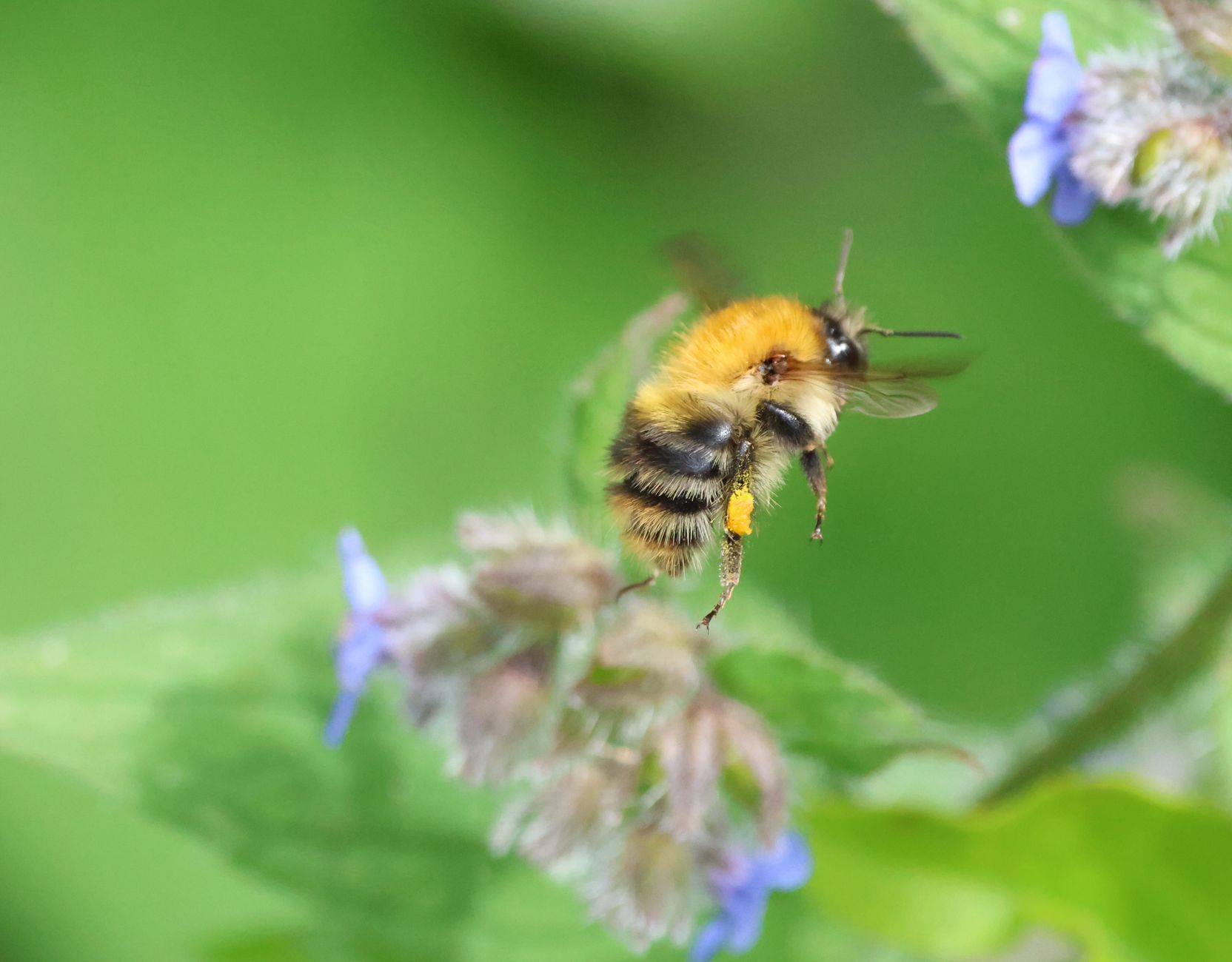
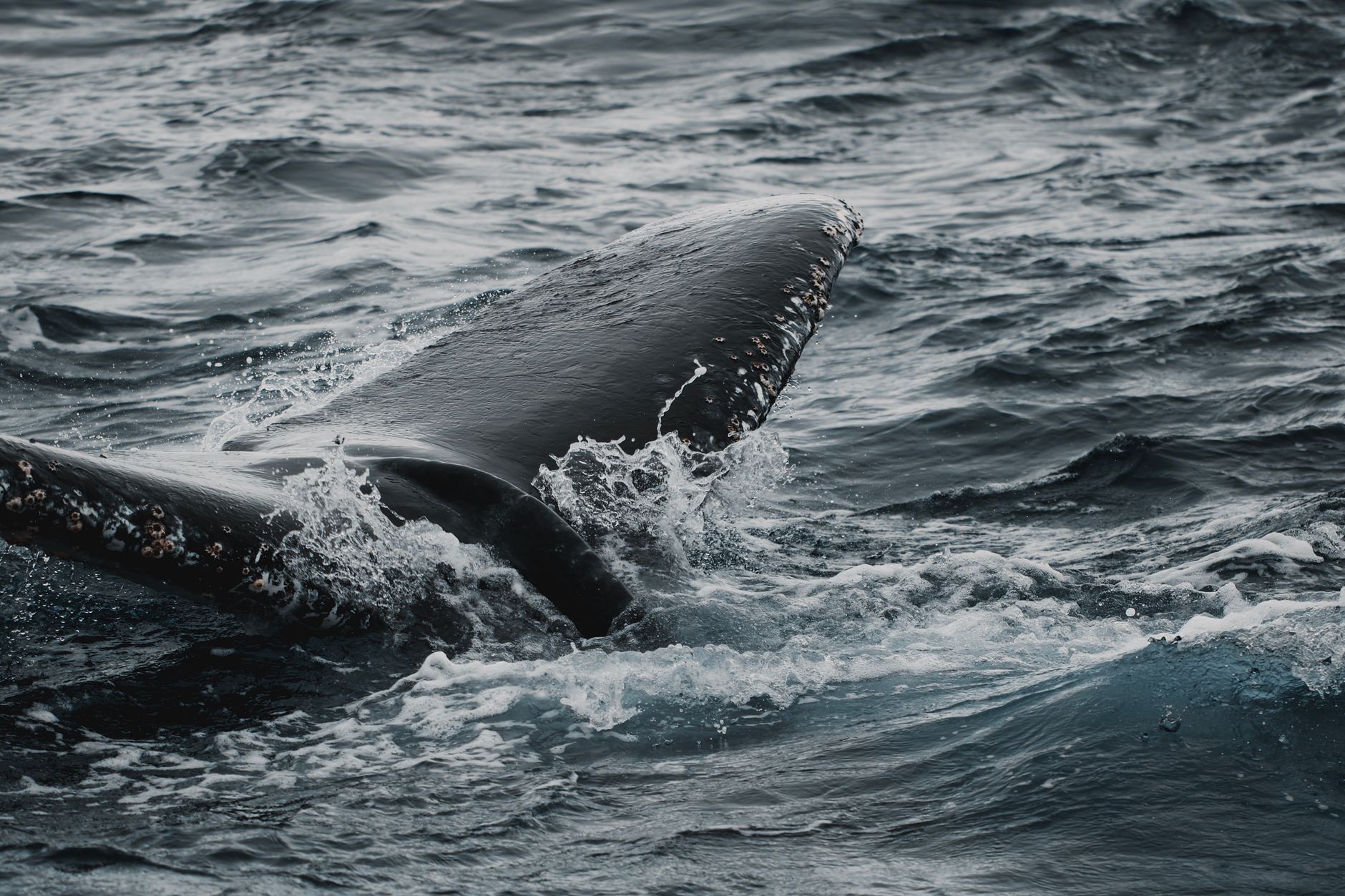
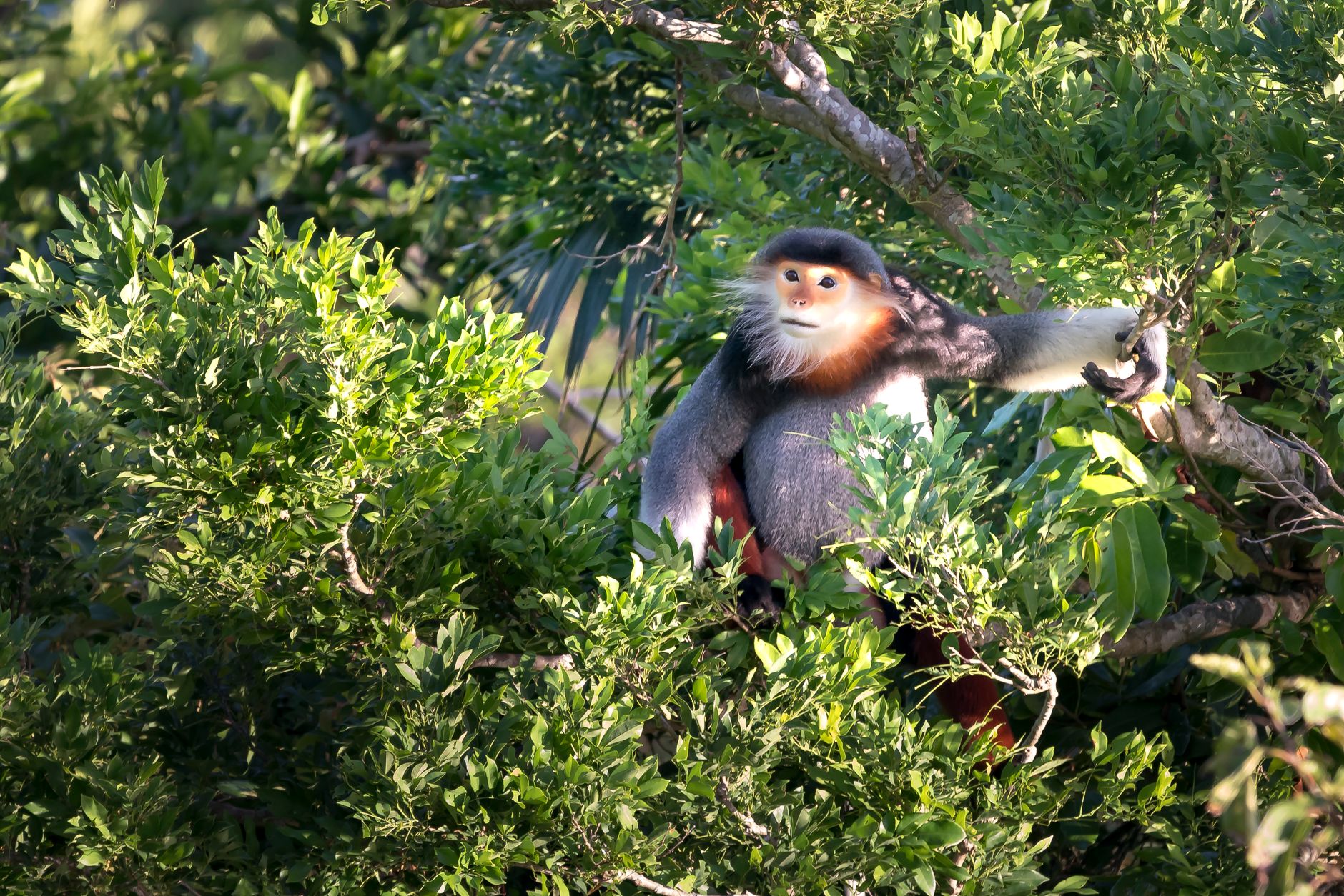
Dara had a small notebook. She wrote down every animal she saw. There are many animals in the reserve. But that day, we saw some very rare ones. We saw a big lizard on a rock. It was in the sun. Dara was very happy.
The people at the reserve watched the animals every day. The hot weather made the animals come out. We saw things we do not usually see. It was a good day.
Highlighted sentences show the grammar focus structure.
Key Vocabulary
animal
/ˈænɪməl/
A living thing that can move and is not a plant or person, for example a dog, cat, or bird.
My sister has a small animal called a hamster at home.
rock
/rɒk/
A hard, solid piece of stone.
The children sat on a big rock near the river.
hot
/hɒt/
Having a high temperature; not cold.
Be careful — the soup is very hot.
happy
/ˈhæpi/
Feeling good and pleased about something.
The boy was very happy when he got a new bike.
see
/siː/
To look at something with your eyes.
Can you see the bird in that tree?
| Image | Word | IPA | Definition | Example |
|---|---|---|---|---|
animal | /ˈænɪməl/ | A living thing that can move and is not a plant or person, for example a dog, cat, or bird. | My sister has a small animal called a hamster at home. | |
rock | /rɒk/ | A hard, solid piece of stone. | The children sat on a big rock near the river. | |
hot | /hɒt/ | Having a high temperature; not cold. | Be careful — the soup is very hot. | |
happy | /ˈhæpi/ | Feeling good and pleased about something. | The boy was very happy when he got a new bike. | |
see | /siː/ | To look at something with your eyes. | Can you see the bird in that tree? |
Grammar Spotlight
Simple Past — Common Regular and Irregular Verbs
verb + -ed / irregular past form
When do we use it?
- Use the simple past to talk about something that happened and finished in the past.
- Use it with time words like yesterday, last week, or last year to say when it happened.
- Use it for a list of actions that happened one after another in the past.
How is it formed?
subject+past verb (regular: verb + -ed / irregular: special form)
Irregular verbs do NOT add -ed — they change shape: go → went, see → saw, write → wrote
★One past verb. No helper needed!
See it in action
Last week, I went to the nature reserve with my friend.
Dara wrote down every animal she saw in her notebook.
We saw a big lizard on a rock.
The weather was very hot that day.
Remember this
Most verbs form the simple past by adding -ed, but many very common verbs are irregular and must be memorised.
!
go → went: We went to the reserve last week.
!
see → saw: We saw a rare lizard on a rock.
!
write → wrote: Dara wrote the animals in her notebook.
!
have → had: Dara had a small notebook with her.
Discussion Questions
- 1.
Do you like hot weather in your country? What do people do outside when it is hot?
- 2.
What animals do you see near your home or in your town?
- 3.
Do you ever go to a park or a natural place in your area? Where do you go?
Comprehension Questions
- 1.
Where did the writer go last week?
- 2.
What did Dara write in her notebook?
- 3.
Who watched the animals every day?
- 4.
When did the animals come out?
View answers for the comprehension questions
- 1.The writer went to the nature reserve near their town. They went there with their friend Dara.
- 2.Dara wrote down every animal she saw. She used her small notebook to keep a record.
- 3.The people at the reserve watched the animals every day.
- 4.The animals came out because of the hot weather. The heat made them come out that day.
Test your knowledge
Question 1Fill-in-the-blank
She drank cold water because the day was very ____.
Question 2Fill-in-the-blank
The child smiled because she was very ____.
Question 3Fill-in-the-blank
The dog is her favourite ____.
View answers for test your knowledge
- 1.hot
- 2.happy
- 3.animal
Practice this topic live
Use what you’ve learned in a real 1:1 English conversation with an experienced Talk4Impact tutor.
Practice with tutor