
Rare wildlife sightings in nature reserves during hot weather
Level
a2
Topic
environment
Read this at a different level:a1c1
Last week, my friend Kofi visited a nature reserve near our city. The weather was very hot. It was the hottest week of the summer. Kofi was excited because he loves watching birds and animals.
The reserve was busy with workers that day. They were out early in the morning with cameras and notebooks. Kofi talked to one of them. She told him the heat was unusual. The animals were more active than normal. Some of them were easier to see because of the hot weather.
Kofi saw two rare birds near a small lake. He was very surprised. The workers were surprised too. They said sightings like this were not common. The hot conditions brought the animals out into the open.
Kofi called me that evening. He was so happy. He wants to go back to the reserve next month. I want to go with him.
Highlighted sentences show the grammar focus structure.
Key Vocabulary
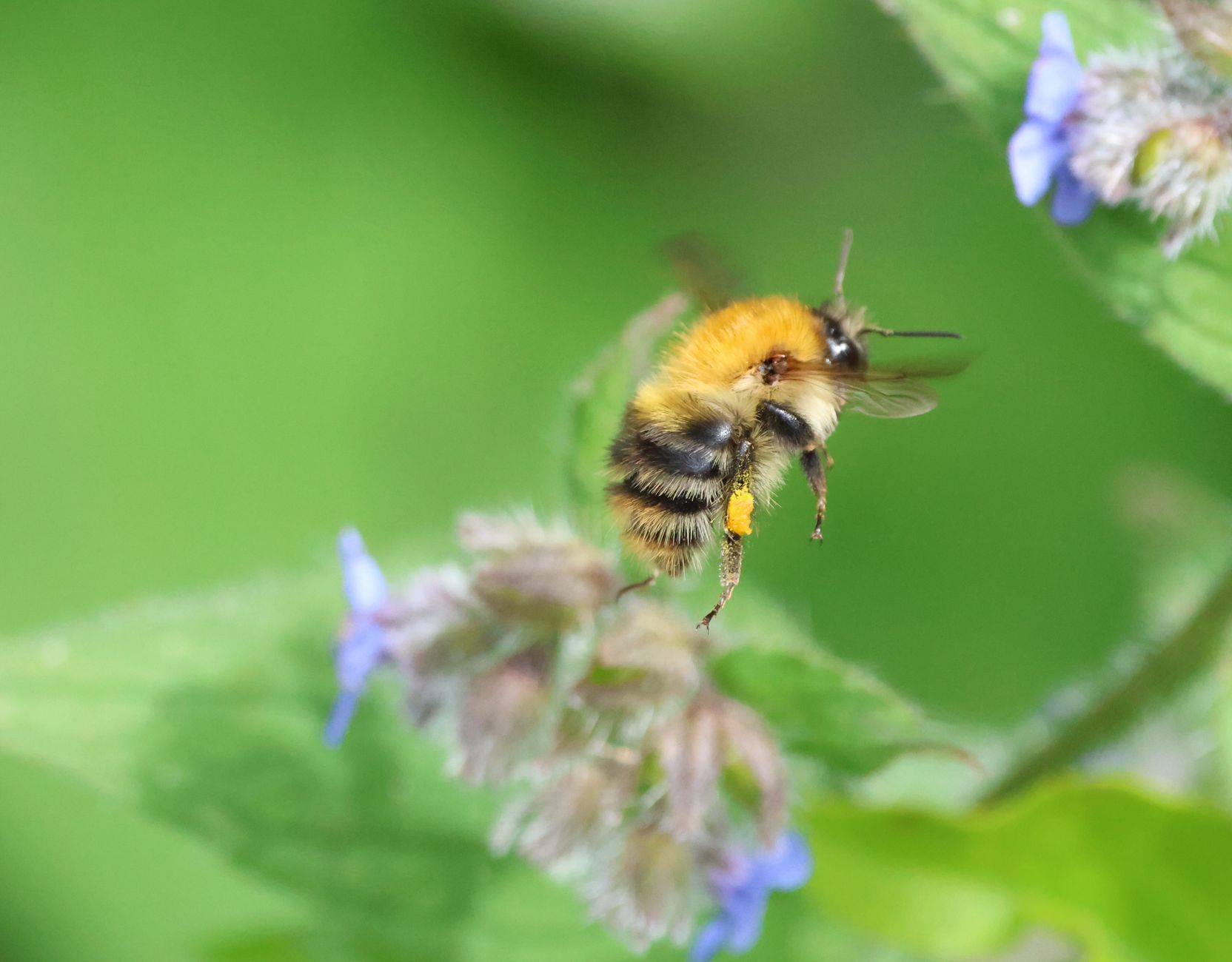
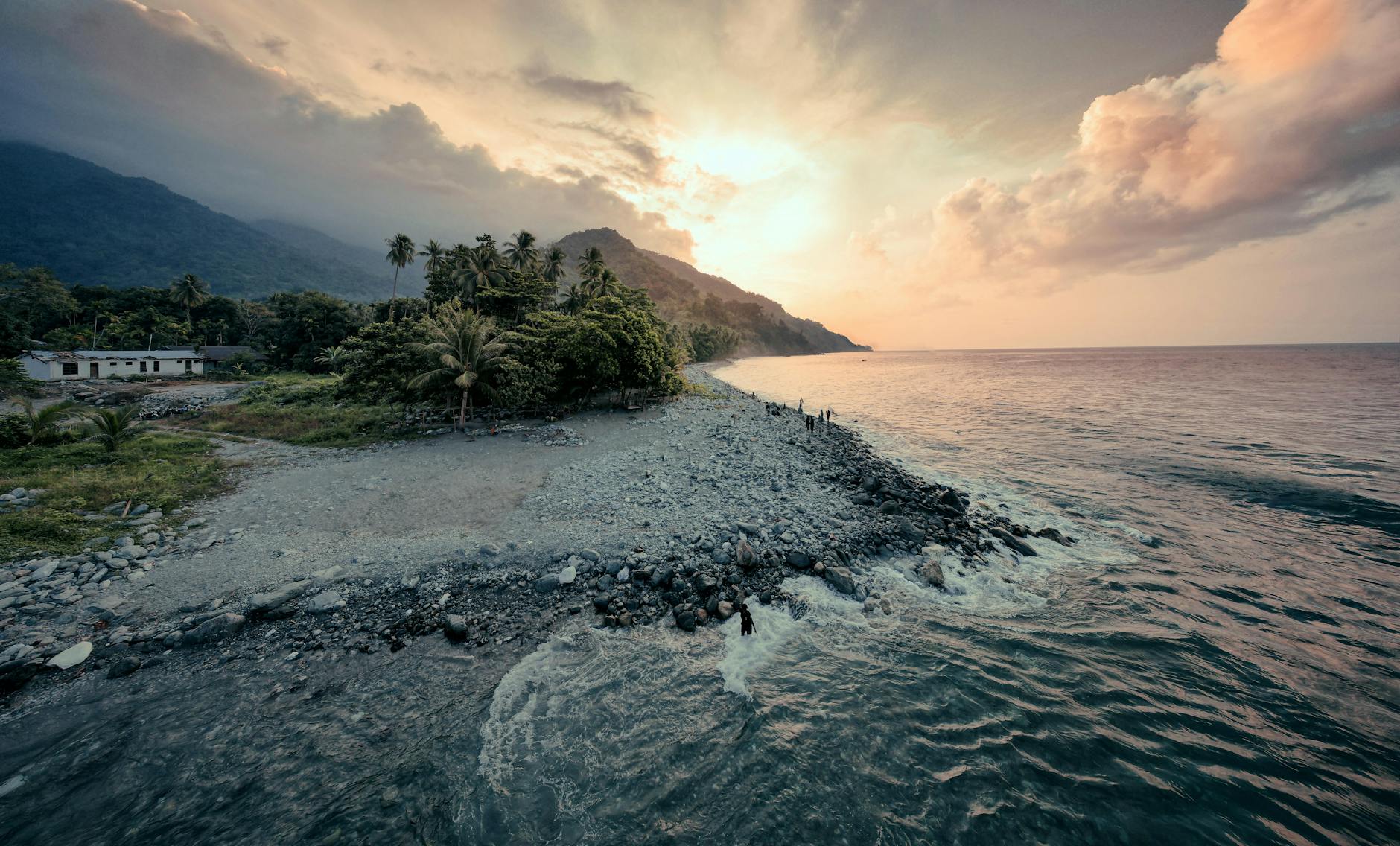
reserve
/rɪˈzɜːrv/
A large area of land where animals and plants are protected and can live safely.
We drove for two hours to reach the wildlife reserve on the other side of the mountains.
unusual
/ʌnˈjuːʒuəl/
Not normal or not common; different from what usually happens.
It is unusual to see snow in this city in April.
active
/ˈæktɪv/
Moving around a lot and doing many things.
My dog is very active in the morning — she runs around the garden for an hour.
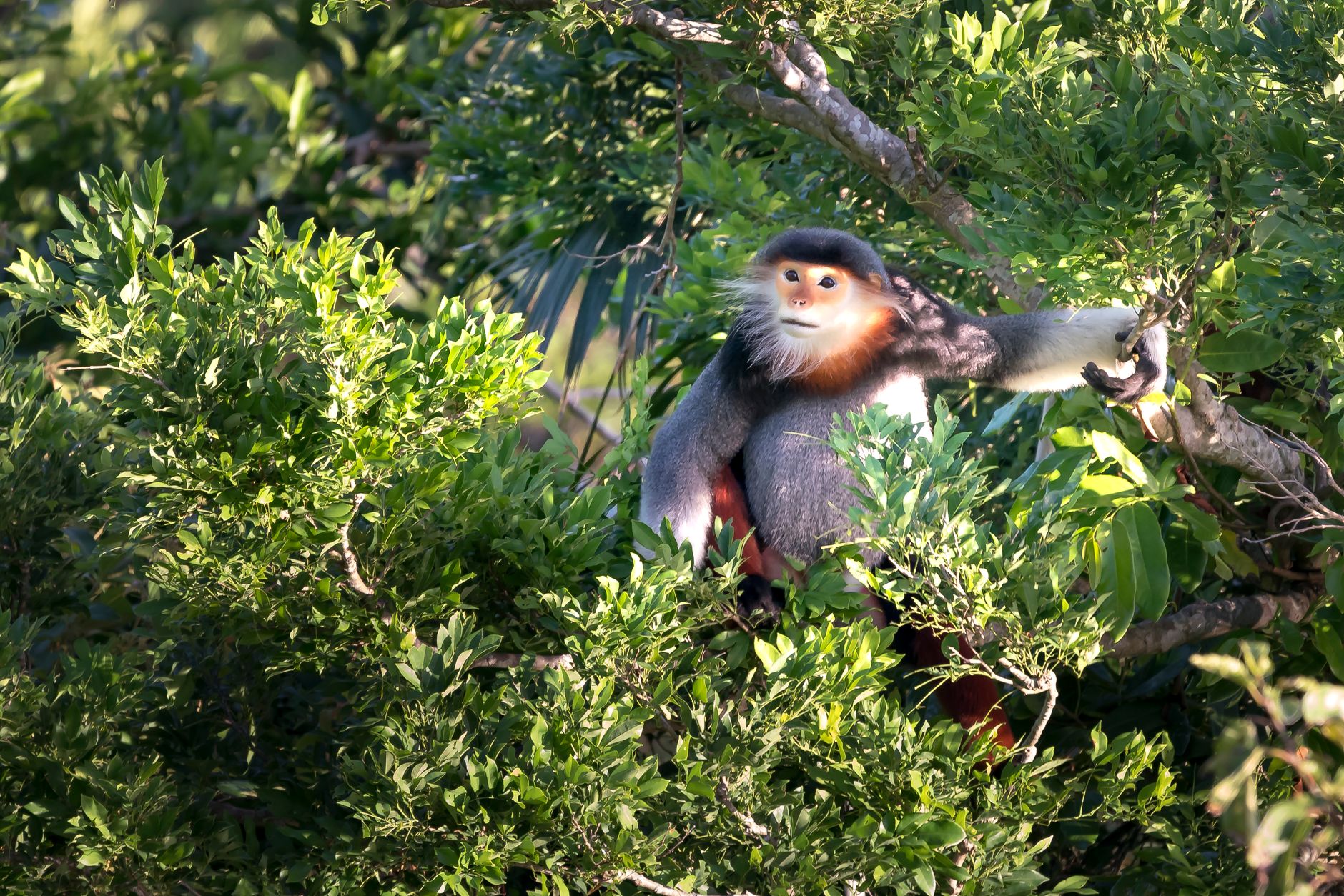
rare
/rɛr/
Not seen or found very often; not common.
The market sells a rare type of fruit that you cannot find in normal shops.
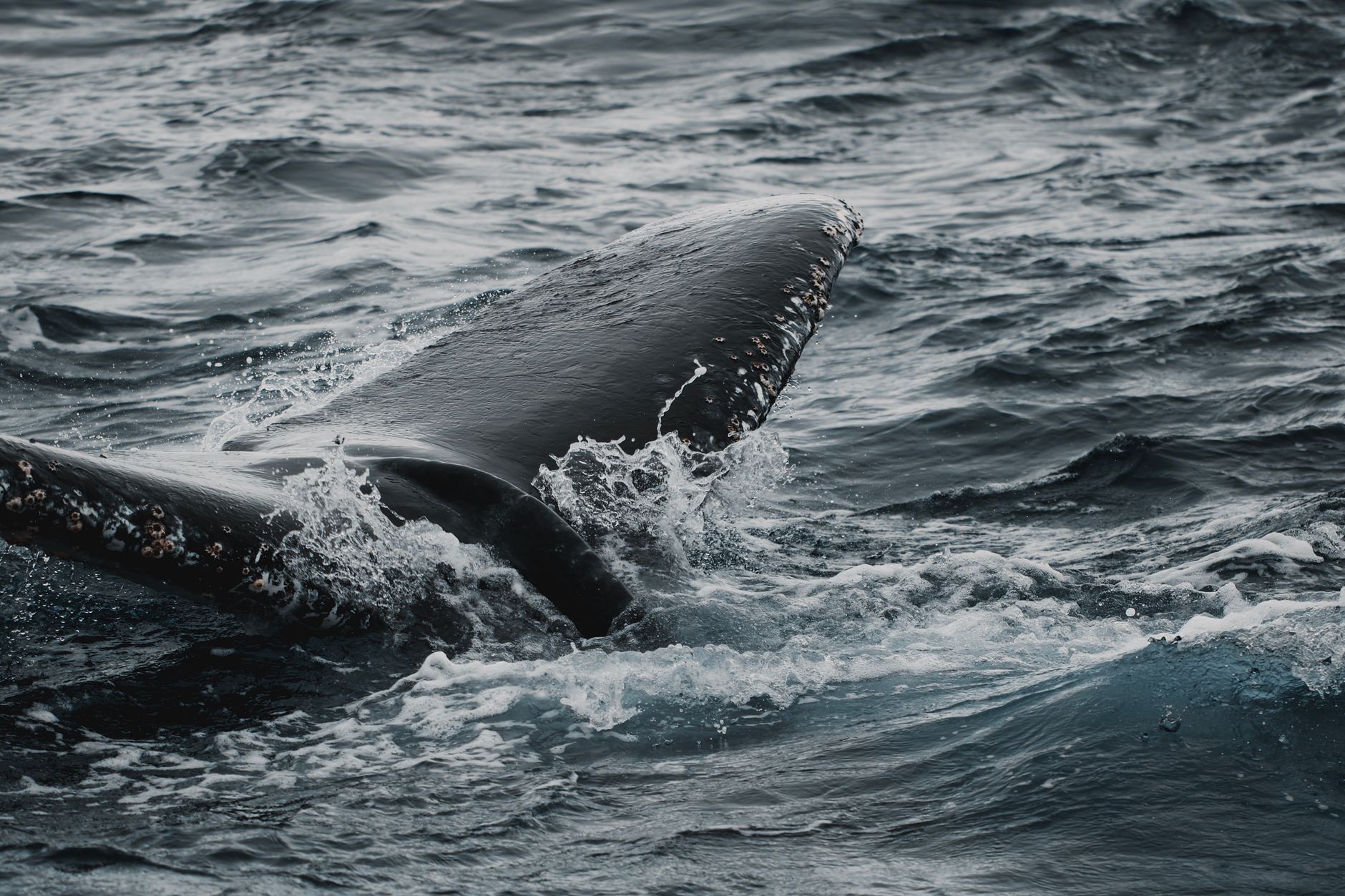
sighting
/ˈsaɪtɪŋ/
An occasion when you see something, especially something that is not easy to see.
There was a sighting of a large bear near the camping area last weekend.
| Image | Word | IPA | Definition | Example |
|---|---|---|---|---|
reserve | /rɪˈzɜːrv/ | A large area of land where animals and plants are protected and can live safely. | We drove for two hours to reach the wildlife reserve on the other side of the mountains. | |
unusual | /ʌnˈjuːʒuəl/ | Not normal or not common; different from what usually happens. | It is unusual to see snow in this city in April. | |
active | /ˈæktɪv/ | Moving around a lot and doing many things. | My dog is very active in the morning — she runs around the garden for an hour. | |
rare | /rɛr/ | Not seen or found very often; not common. | The market sells a rare type of fruit that you cannot find in normal shops. | |
sighting | /ˈsaɪtɪŋ/ | An occasion when you see something, especially something that is not easy to see. | There was a sighting of a large bear near the camping area last weekend. |
Grammar Spotlight
Past Simple of 'be' (was / were)
was / were + rest of sentence
When do we use it?
- Use 'was' or 'were' to describe how something or someone felt, looked, or seemed in the past.
- Use it to say where someone or something was at a past time.
- Use it to talk about past situations or conditions that are no longer true now.
How is it formed?
Subject+was / were+adjective / noun / place
Use 'was' with I, he, she, it. Use 'were' with you, we, they.
★One person → was. More than one → were.
See it in action
The weather was very hot during Kofi's visit to the reserve.
Kofi was excited when he arrived at the nature reserve.
The workers were out early in the morning with their cameras.
It was the hottest week of the summer.
Remember this
✗They was very tired after the long walk.
✓They were very tired after the long walk.
'They' is plural, so always use 'were', not 'was'.
✗The reserve were busy with workers that day.
✓The reserve was busy with workers that day.
'The reserve' is one thing (it), so use 'was', not 'were'.
✗Kofi and his friend was excited to see the birds.
✓Kofi and his friend were excited to see the birds.
Two people joined by 'and' are plural, so use 'were'.
Discussion Questions
- 1.
Do you have nature reserves or parks near your home? Do you ever visit them?
- 2.
What animals or birds do you often see in your country? Are any of them rare or special?
- 3.
Would you like to spend a day watching animals and birds outside? Why or why not?
Comprehension Questions
- 1.
Why were the animals easier to see?
- 2.
Where did Kofi see two rare birds?
- 3.
Who did Kofi talk to at the reserve?
- 4.
When did Kofi call the narrator?
View answers for the comprehension questions
- 1.The animals were easier to see because of the hot weather. The heat brought them out into the open.
- 2.Kofi saw two rare birds near a small lake inside the nature reserve.
- 3.Kofi talked to one of the workers. She told him the heat was unusual.
- 4.Kofi called the narrator that evening, after his visit to the nature reserve.
Test your knowledge
Question 1Fill-in-the-blank
Snow leopards are very ____ — most people never see one in their lives.
Question 2Fill-in-the-blank
The bus arrived one hour early, which was very ____ for that route.
Question 3Fill-in-the-blank
The children were very ____ at the playground, running and jumping all afternoon.
Question 4Fill-in-the-blank
The photographer was very excited about her first ____ of the northern lights.
View answers for test your knowledge
- 1.rare
- 2.unusual
- 3.active
- 4.sighting
Practice this topic live
Use what you’ve learned in a real 1:1 English conversation with an experienced Talk4Impact tutor.
Practice with tutor