NASA launch of a new space telescope
Level
b1
Topic
science
Read this at a different level:a2b2c1
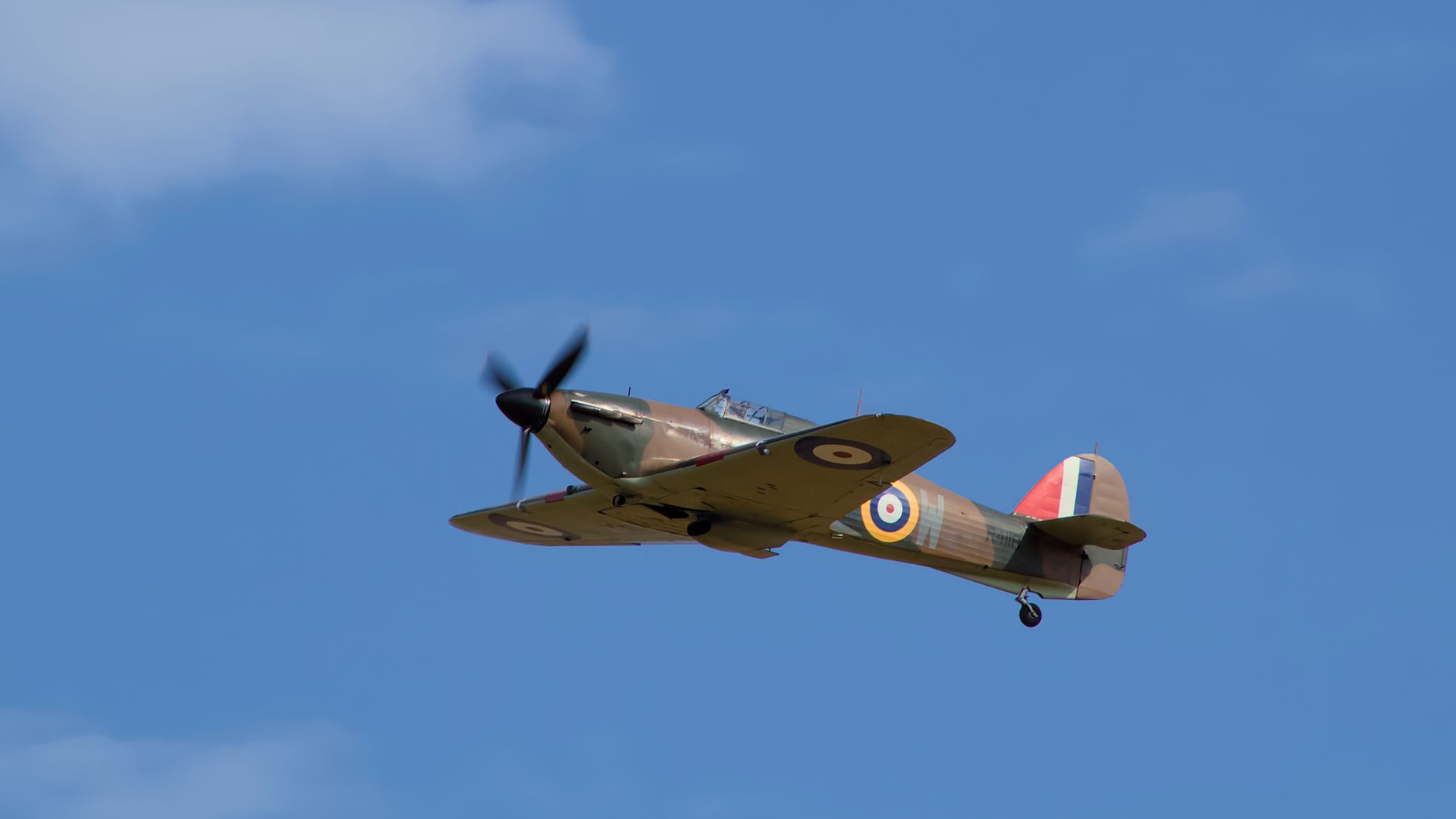
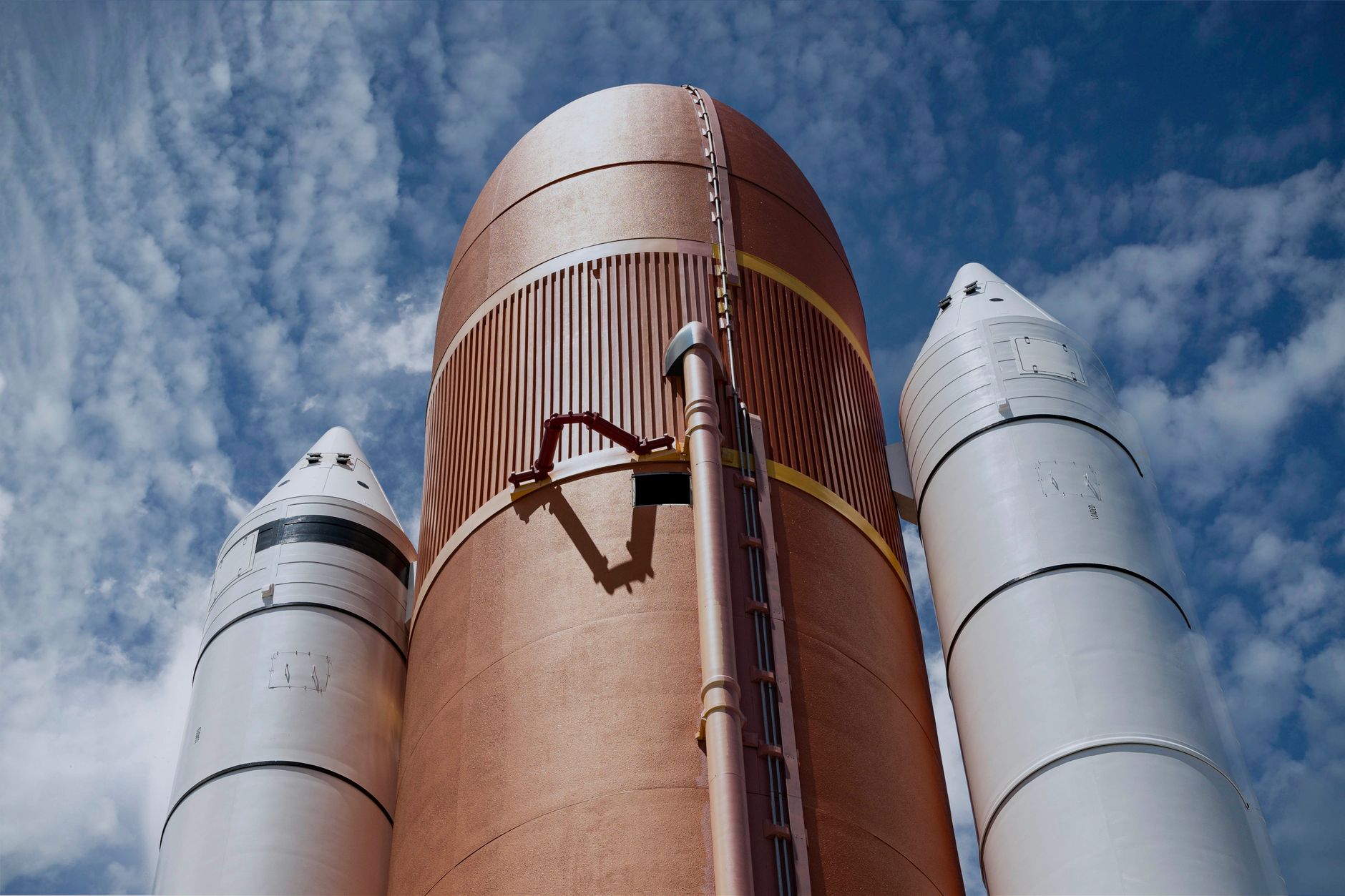
Tomás works at a small science museum in his city. He loves space and follows every big NASA story. Last month, he was very excited. A new space telescope was launched by NASA, and Tomás could not stop talking about it.
The telescope is roughly the size of a tour bus. Tomás told his colleagues that he was amazed by this. Something so large was sent into space to search for planets. He said that the telescope was designed to find more than 100,000 planets outside our solar system. Tomás thinks this number is almost impossible to imagine.
At the museum, Tomás put up a small display about the new telescope. He wanted visitors to understand why it matters. He explained that many mysteries about the universe have not been solved yet. The telescope was built to help scientists find answers. If the mission is successful, we will learn much more about distant planets and space.
Tomás has always believed that space exploration is important. He used to draw planets as a child. Now he works with real science every day. He said that he feels lucky to see events like this in his lifetime. For Tomás, the launch was not just a news story. It was a moment that reminded him why he loves science so much.
Highlighted sentences show the grammar focus structure.
Key Vocabulary
telescope
/ˈtɛlɪskoʊp/
A piece of equipment shaped like a tube that you look through to see objects that are far away, especially stars and planets.
The students took turns looking through the telescope to see the moon up close.
launch
/lɔːntʃ/
To send a vehicle, such as a rocket or spacecraft, into the air or into space.
The company plans to launch a new satellite next spring to improve internet connections.
colleague
/ˈkɒliːɡ/
A person that you work with, especially in a professional job.
She asked a colleague to help her prepare the report before the meeting.
display
/dɪˈspleɪ/
An arrangement of objects or information in a public place so that people can look at it and learn from it.
The school put up a display of students' artwork in the main hallway.
exploration
/ˌɛksplɒˈreɪʃən/
The activity of travelling to or studying a place or subject that is not well known, in order to learn more about it.
The documentary followed a team of scientists on their exploration of the deep ocean.
mystery
/ˈmɪstəri/
Something that is difficult to explain or understand, and that is not yet known.
How the ancient people built those huge stone structures remains a mystery to historians.
| Image | Word | IPA | Definition | Example |
|---|---|---|---|---|
telescope | /ˈtɛlɪskoʊp/ | A piece of equipment shaped like a tube that you look through to see objects that are far away, especially stars and planets. | The students took turns looking through the telescope to see the moon up close. | |
launch | /lɔːntʃ/ | To send a vehicle, such as a rocket or spacecraft, into the air or into space. | The company plans to launch a new satellite next spring to improve internet connections. | |
colleague | /ˈkɒliːɡ/ | A person that you work with, especially in a professional job. | She asked a colleague to help her prepare the report before the meeting. | |
display | /dɪˈspleɪ/ | An arrangement of objects or information in a public place so that people can look at it and learn from it. | The school put up a display of students' artwork in the main hallway. | |
exploration | /ˌɛksplɒˈreɪʃən/ | The activity of travelling to or studying a place or subject that is not well known, in order to learn more about it. | The documentary followed a team of scientists on their exploration of the deep ocean. | |
mystery | /ˈmɪstəri/ | Something that is difficult to explain or understand, and that is not yet known. | How the ancient people built those huge stone structures remains a mystery to historians. |
Grammar Spotlight
Passive Voice — Past Simple
was / were + past participle
When do we use it?
- Use it when the action is more important than the person or thing that did it — for example, when reporting news or scientific events
- Use it when you don't know who did the action, or it's not important to say
- Use it to sound more formal or objective, especially in written English
How is it formed?
was / were+past participle
Use 'was' for singular subjects and 'were' for plural subjects
★Focus on what happened, not who did it
See it in action
A new space telescope was launched by NASA last month.
The telescope was built over many years by a team of scientists.
Tomás was told about the discovery by his colleague.
Several new stars were discovered during the mission.
Remember this
Active (Past Simple)
- •NASA launched the telescope.
- •Scientists built the instrument.
- •A colleague told Tomás the news.
Passive (Past Simple)
- •The telescope was launched by NASA.
- •The instrument was built by scientists.
- •Tomás was told the news by a colleague.
Both sentences describe the same event — but the passive shifts the focus onto what happened or what was affected, rather than who acted.
Discussion Questions
- 1.
Have you ever visited a science museum or a similar place in your country? What did you see there, and did you enjoy it?
- 2.
Tomás has loved space since he was a child. Is there a subject or hobby that you have been passionate about since you were young? How has that interest shaped your life?
- 3.
What do you think about space exploration? Do people in your country talk about it much, or is it not a popular topic where you live?
Comprehension Questions
- 1.
Where does Tomás work, and what is his main interest?
- 2.
How big is the new space telescope that NASA launched?
- 3.
Why did Tomás put up a display at the museum?
- 4.
What did Tomás do as a child that shows his early love of space?
- 5.
How many planets is the telescope designed to find outside our solar system?
View answers for the comprehension questions
- 1.Tomás works at a small science museum in his city. His main interest is space, and he follows every big NASA story.
- 2.The telescope is roughly the size of a tour bus.
- 3.He wanted visitors to understand why the new telescope matters and to learn about the many mysteries of the universe that scientists are still trying to solve.
- 4.As a child, Tomás used to draw planets, which shows that his passion for space started at a very young age.
- 5.The telescope was designed to find more than 100,000 planets outside our solar system.
Test your knowledge
Question 1Fill-in-the-blank
She introduced her new ____ to the rest of the team on her first day at the office.
Question 2Fill-in-the-blank
The old building was full of history, and its past remained a ____ that nobody could fully explain.
Question 3Fill-in-the-blank
The school organised an ____ of the local forest so that students could learn about the plants and animals living there.
Question 4Fill-in-the-blank
The new product was a great success, and the company planned a big ____ event to introduce it to the public.
View answers for test your knowledge
- 1.colleague
- 2.mystery
- 3.exploration
- 4.launch
Practice this topic live
Use what you’ve learned in a real 1:1 English conversation with an experienced Talk4Impact tutor.
Practice with tutor