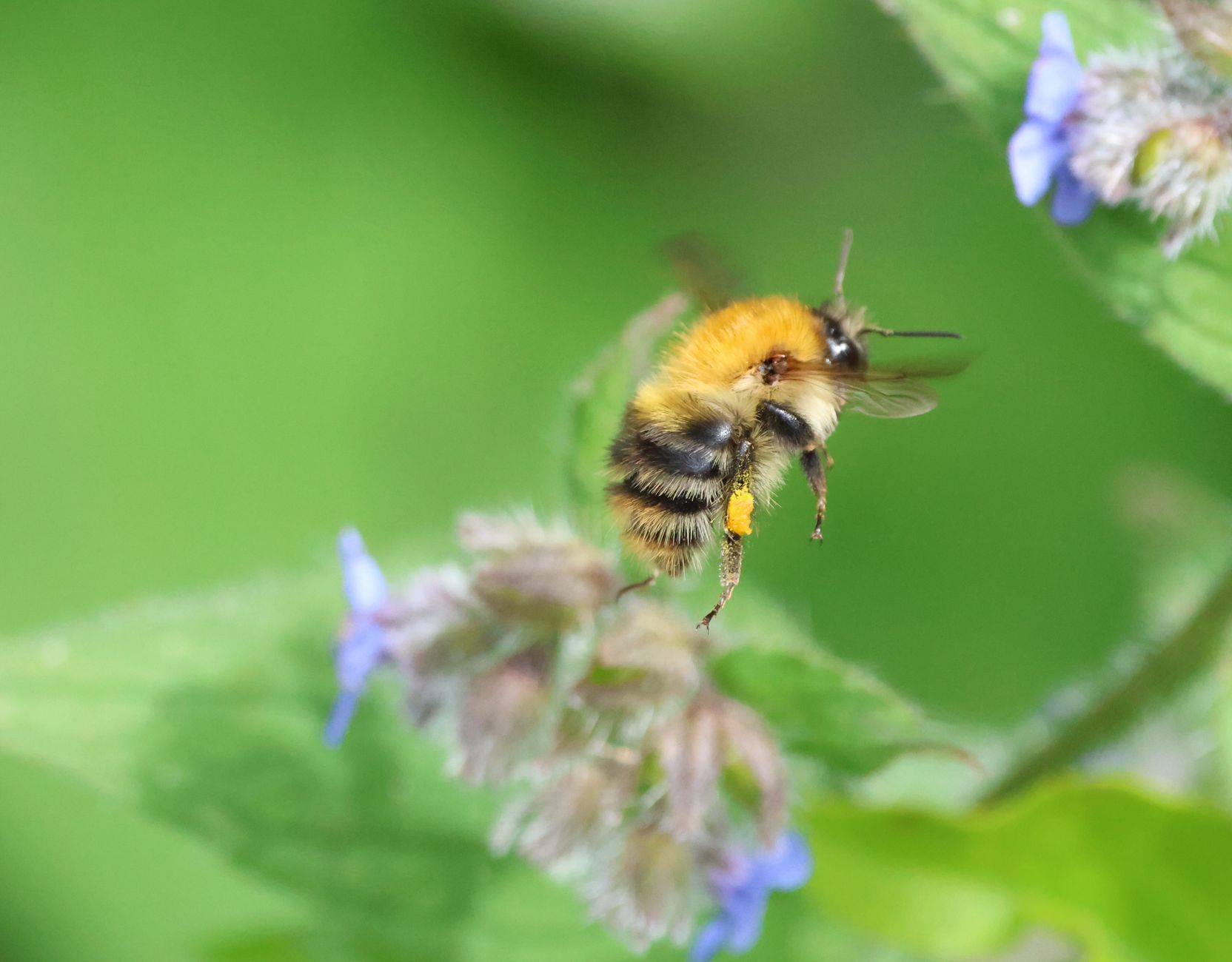


Wildflower meadow restoration in the Lake District
Level
b1
Topic
environment
Read this at a different level:a2c1
The Lake District is famous for its beautiful hills and lakes. But many of its wildflower meadows have disappeared over the years. Farming practices have removed plant species that used to grow naturally across the land. Now, a new project wants to bring those plants back.
Friends of the Lake District is leading a restoration effort at a meadow site in the area. The group plans to plant hundreds of wildflowers there. The goal is to reintroduce species that farming has taken away. If this project succeeds, the meadow will look more like it did many decades ago.
Restoring a meadow is not a simple task. Workers must plan the project more carefully than a typical planting job. They need to choose the right species for the local soil and climate. They also have to work more quickly during the right seasons, because wildflowers grow best at specific times of year. Getting the timing right is very important.
Projects like this one have become more common across the United Kingdom. Many people believe that wildflower meadows are important for insects, birds, and other wildlife. A meadow that is rich in native plants can support a wide range of species. It seems that restoring lost habitats is one of the most useful things we can do for the environment. This project in the Lake District is a good example of that effort.
Highlighted sentences show the grammar focus structure.
Key Vocabulary
meadow
/ˈmɛdoʊ/
A meadow is an open area of land covered with grass and wild plants, often found in the countryside.
The children ran through the meadow, picking flowers as they went.
disappear
/ˌdɪsəˈpɪr/
To disappear means to stop existing or to no longer be seen or found.
Many small shops in the town centre have disappeared since the new shopping mall opened.
restoration
/ˌrɛstəˈreɪʃən/
Restoration is the process of returning something to its original or earlier condition.
The restoration of the old church took three years and a lot of money.
reintroduce
/ˌriːɪntrəˈduːs/
To reintroduce something means to bring it back to a place or situation where it existed before.
The conservation team worked hard to reintroduce wolves to the forest region.
species
/ˈspiːʃiːz/
A species is a group of animals or plants that are similar to each other and can produce young together.
Scientists discovered a new species of frog in the rainforest last year.
habitat
/ˈhæbɪtæt/
A habitat is the natural environment where a particular animal or plant normally lives and grows.
Cutting down trees destroys the habitat of many birds and small animals.
| Image | Word | IPA | Definition | Example |
|---|---|---|---|---|
meadow | /ˈmɛdoʊ/ | A meadow is an open area of land covered with grass and wild plants, often found in the countryside. | The children ran through the meadow, picking flowers as they went. | |
disappear | /ˌdɪsəˈpɪr/ | To disappear means to stop existing or to no longer be seen or found. | Many small shops in the town centre have disappeared since the new shopping mall opened. | |
restoration | /ˌrɛstəˈreɪʃən/ | Restoration is the process of returning something to its original or earlier condition. | The restoration of the old church took three years and a lot of money. | |
reintroduce | /ˌriːɪntrəˈduːs/ | To reintroduce something means to bring it back to a place or situation where it existed before. | The conservation team worked hard to reintroduce wolves to the forest region. | |
species | /ˈspiːʃiːz/ | A species is a group of animals or plants that are similar to each other and can produce young together. | Scientists discovered a new species of frog in the rainforest last year. | |
habitat | /ˈhæbɪtæt/ | A habitat is the natural environment where a particular animal or plant normally lives and grows. | Cutting down trees destroys the habitat of many birds and small animals. |
Grammar Spotlight
Comparative Adverbs — more quickly, more carefully
more + adverb
When do we use it?
- Use comparative adverbs to say how one action is done differently from another — for example, faster, with more care, or with more attention.
- Use 'than' after the comparative adverb when you are directly comparing two actions or people: 'She works more carefully than he does.'
- Use comparative adverbs to show improvement or change over time: 'The team is now working more efficiently than before.'
How is it formed?
more++ adverb (e.g. carefully, slowly, quickly)
Use 'more' before the adverb — do not add -er to the adverb itself
★More + adverb = doing something in a greater way
See it in action
The volunteers planted the wildflowers more carefully than the farmers had done.
With better tools, the team worked more quickly and finished before sunset.
The new project is moving more slowly than expected, but the results are promising.
Conservationists now think more seriously about protecting meadow plants than they did ten years ago.
Remember this
✗She works more careful than her colleague.
✓She works more carefully than her colleague.
We need the adverb form (-ly) after 'more', not the adjective. 'Careful' is an adjective; 'carefully' is the adverb.
✗He runs more faster than before.
✓He runs more quickly than before.
'Faster' is already a comparative form — never add 'more' to it. Use 'more' only with adverbs that do not have their own -er comparative form.
✗The plants grew more slow in the shade.
✓The plants grew more slowly in the shade.
After 'more', always use the full adverb ending in -ly, not the adjective base form.
Discussion Questions
- 1.
Are there any natural places in your country — such as forests, meadows, or parks — that people are trying to protect or restore? What do you know about them?
- 2.
Have you ever visited a place in nature that felt special or beautiful to you? Where was it, and what did you enjoy about it?
- 3.
What do you think people in your city or town can do in their daily lives to help protect the environment? Would you be willing to try any of these things yourself?
Comprehension Questions
- 1.
What is the main goal of the restoration project in the Lake District?
- 2.
Why have wildflower meadows disappeared in the Lake District?
- 3.
How do workers need to plan a meadow restoration project?
- 4.
Who is leading the restoration effort at the meadow site?
- 5.
Does the article suggest that projects like this one are becoming more or less common in the United Kingdom?
View answers for the comprehension questions
- 1.The main goal is to reintroduce wildflower species that farming has removed over the years, so the meadow looks more like it did many decades ago.
- 2.They have disappeared because farming practices removed the plant species that used to grow naturally across the land.
- 3.Workers must plan more carefully than a typical planting job. They need to choose the right species for the local soil and climate, and they must work quickly during the right seasons because wildflowers grow best at specific times of year.
- 4.Friends of the Lake District is leading the restoration effort.
- 5.The article suggests they are becoming more common. Many people now believe that wildflower meadows are important for insects, birds, and other wildlife.
Test your knowledge
Question 1Fill-in-the-blank
Scientists discovered a new ____ of butterfly that had never been seen before.
Question 2Fill-in-the-blank
The library decided to ____ a popular reading programme that had ended two years ago.
Question 3Fill-in-the-blank
She was worried when her cat started to ____ for several hours every afternoon.
Question 4Fill-in-the-blank
The old building looked beautiful again after years of careful ____.
View answers for test your knowledge
- 1.species
- 2.reintroduce
- 3.disappear
- 4.restoration
Practice this topic live
Use what you’ve learned in a real 1:1 English conversation with an experienced Talk4Impact tutor.
Practice with tutor