
Shark conservation funding in the UK
Level
b1
Topic
environment
Read this at a different level:b2c1
Sharks are some of the most important animals in the ocean. They help keep the balance of life underwater. But many shark species have become endangered over the years. Now, scientists in the UK are working to change this.
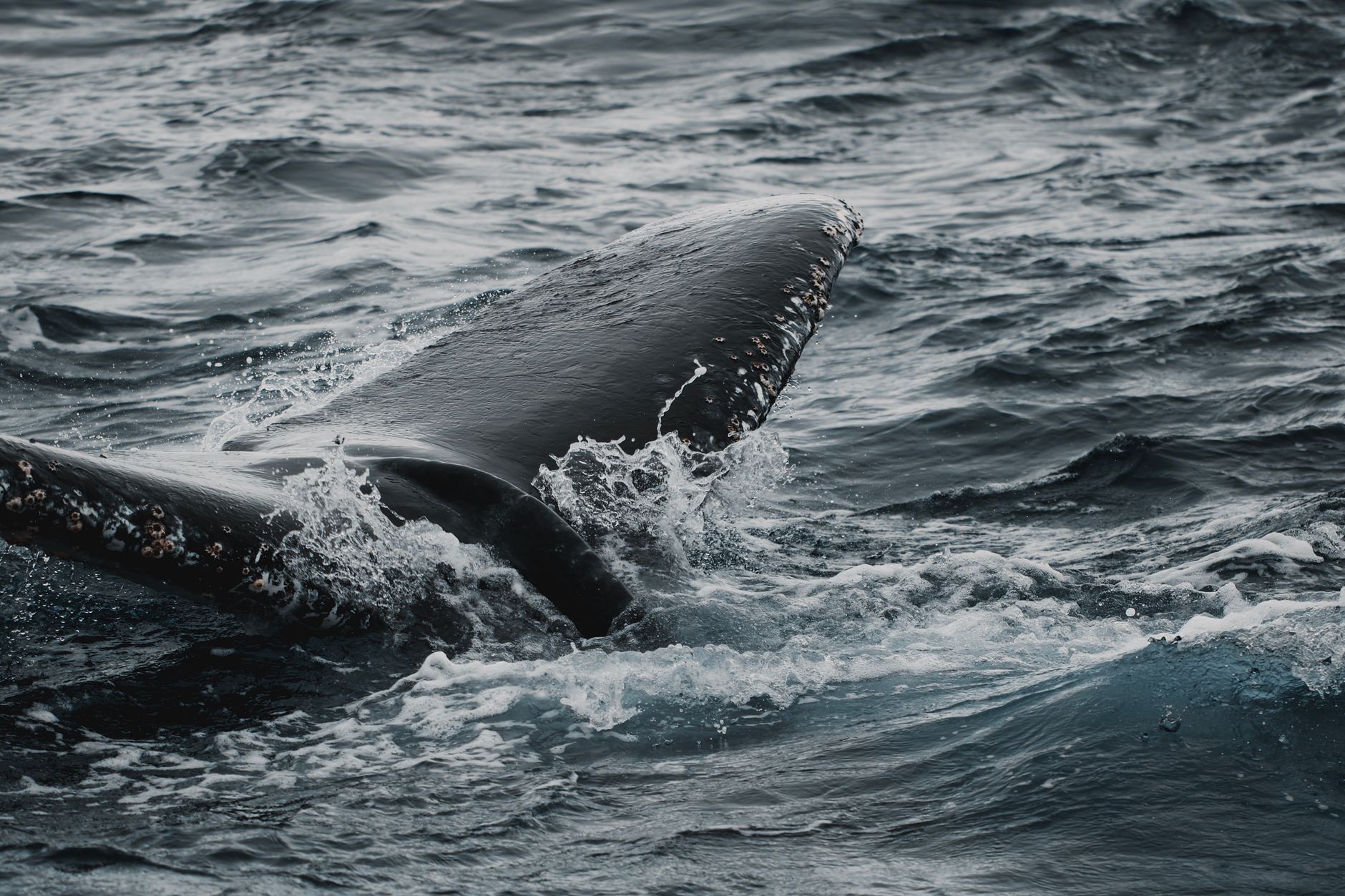
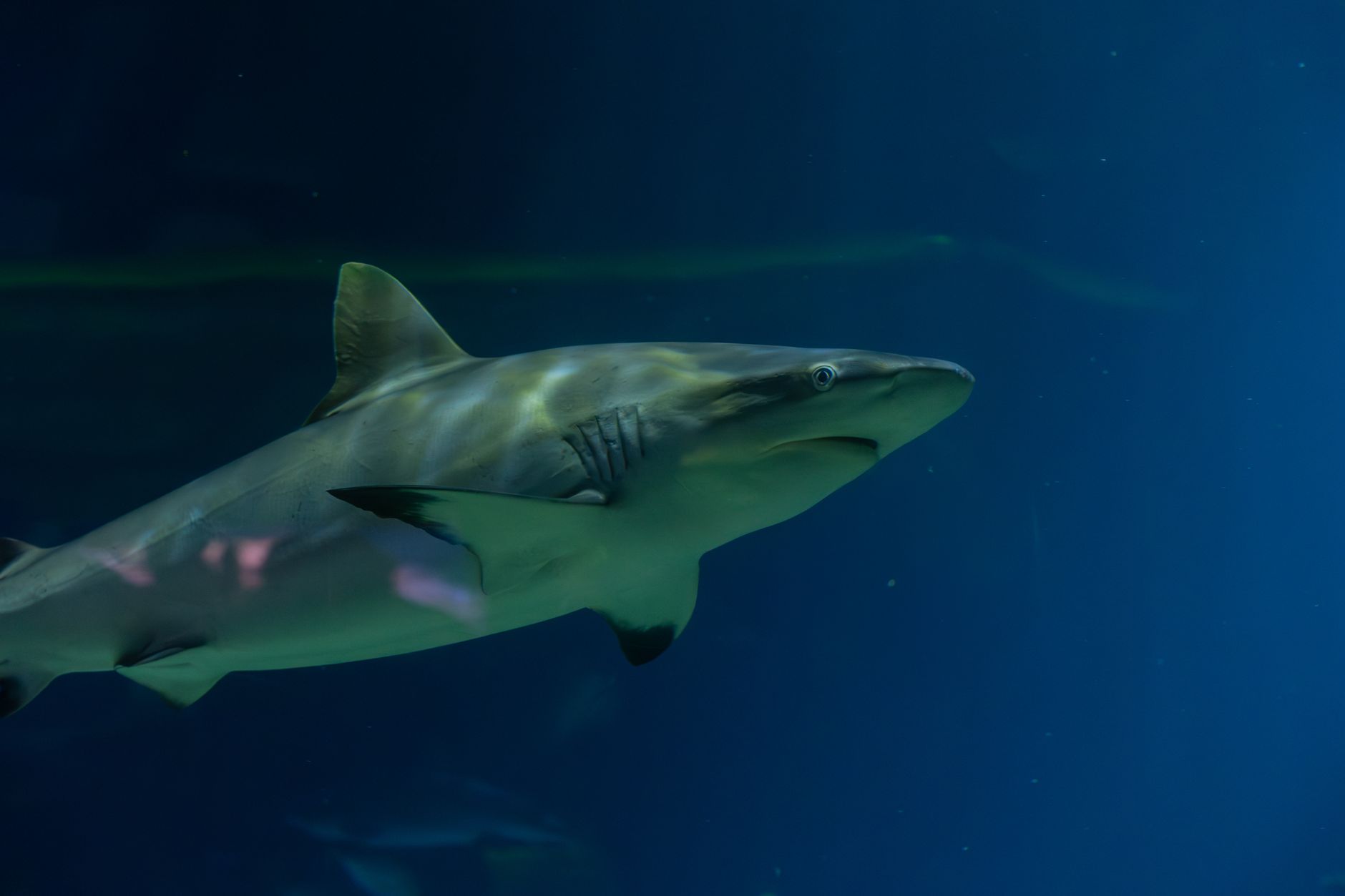
A programme that focuses on species recovery has given £1 million to help protect sharks. The funding comes from Natural England's Species Recovery Programme. This is great news for three species that need support: the blue shark, the porbeagle, and the tope. These are sharks that live in UK waters and face serious threats.
Scientists who work on this project want to help these species recover. The goal is to give the sharks a better chance of survival. The blue shark is a species that travels long distances in the open ocean. The porbeagle and the tope also need careful management to grow their populations again.
If we protect these sharks now, future generations will benefit from healthier oceans. Sharks play a key role in marine ecosystems. Without them, the balance of ocean life can break down quickly. Many people have started to understand how important sharks really are. This funding is a positive step for conservation in the UK.
Highlighted sentences show the grammar focus structure.
Key Vocabulary
endangered
/ɪnˈdeɪndʒərd/
An endangered animal or plant is at risk of disappearing completely from the world.
The giant panda was once endangered, but conservation efforts have helped its population grow.
funding
/ˈfʌndɪŋ/
Money that is provided by an organization or government to pay for a project or activity.
The local school received extra funding to buy new computers for its students.
species
/ˈspiːʃiːz/
A group of animals or plants that are similar and can produce young together.
Scientists discovered a new species of frog in the rainforest last year.
survival
/səˈvaɪvəl/
The fact of continuing to live or exist, especially when it is difficult to do so.
Learning basic first aid skills can be important for survival in an emergency situation.
conservation
/ˌkɒnsəˈveɪʃən/
The protection of nature, animals, and the environment so they are not damaged or destroyed.
She decided to study conservation at university because she wanted to protect wild animals.
ecosystem
/ˈiːkəʊˌsɪstəm/
All the plants, animals, and living things in an area that depend on each other to survive.
Cutting down too many trees can seriously damage the forest ecosystem.
| Image | Word | IPA | Definition | Example |
|---|---|---|---|---|
endangered | /ɪnˈdeɪndʒərd/ | An endangered animal or plant is at risk of disappearing completely from the world. | The giant panda was once endangered, but conservation efforts have helped its population grow. | |
funding | /ˈfʌndɪŋ/ | Money that is provided by an organization or government to pay for a project or activity. | The local school received extra funding to buy new computers for its students. | |
species | /ˈspiːʃiːz/ | A group of animals or plants that are similar and can produce young together. | Scientists discovered a new species of frog in the rainforest last year. | |
survival | /səˈvaɪvəl/ | The fact of continuing to live or exist, especially when it is difficult to do so. | Learning basic first aid skills can be important for survival in an emergency situation. | |
conservation | /ˌkɒnsəˈveɪʃən/ | The protection of nature, animals, and the environment so they are not damaged or destroyed. | She decided to study conservation at university because she wanted to protect wild animals. | |
ecosystem | /ˈiːkəʊˌsɪstəm/ | All the plants, animals, and living things in an area that depend on each other to survive. | Cutting down too many trees can seriously damage the forest ecosystem. |
Grammar Spotlight
Defining Relative Clauses (who, which, that)
noun + who / which / that + clause
When do we use it?
- Use a defining relative clause to identify which person or thing you are talking about — without it, the sentence loses its meaning.
- Choose 'who' when the noun is a person, 'which' when it is a thing or idea, and 'that' when you want a neutral option for either.
- These clauses are common in everyday speech and writing when you want to give essential information about a noun without starting a new sentence.
How is it formed?
noun (person, thing, or idea)+who / which / that+verb + rest of clause
Use 'who' for people, 'which' for things, 'that' for either
★Point to exactly which one you mean!
See it in action
Scientists who study sharks say they are vital to ocean health.
The programme that focuses on species recovery received £1 million in funding.
Sharks are animals which help keep the balance of life underwater.
Any species that is endangered needs urgent protection from humans.
Remember this
✗The scientist which discovered the new species won an award.
✓The scientist who discovered the new species won an award.
Use 'who' for people, not 'which'. 'Which' is only for things or ideas.
✗The programme, that received funding, helps endangered sharks.
✓The programme that received funding helps endangered sharks.
Defining relative clauses do not use commas. Commas turn them into non-defining clauses, which changes the meaning.
✗Sharks are animals that they help keep the ocean balanced.
✓Sharks are animals that help keep the ocean balanced.
Do not add a second subject pronoun (they, he, she) after the relative pronoun. The relative pronoun already acts as the subject.
Discussion Questions
- 1.
Are there any animals or plants in your country that are endangered or need protection? What do people there do to help them?
- 2.
Have you ever visited a place in nature — like a forest, a beach, or a park — that felt important to protect? What did you see there, and how did it make you feel?
- 3.
What do you think is the best way for ordinary people to support conservation? Would you personally be willing to donate money or time to help protect nature? Why or why not?
Comprehension Questions
- 1.
Why are sharks considered important for the ocean?
- 2.
How much money has been given to help protect sharks in the UK?
- 3.
What is special about the blue shark compared to the other two species mentioned?
- 4.
Who is providing the money to protect these three shark species?
- 5.
What could happen to ocean life if sharks are not protected?
View answers for the comprehension questions
- 1.Sharks help keep the balance of life underwater. Without them, the balance of ocean life can break down quickly.
- 2.The funding given to help protect sharks is £1 million. It comes from Natural England's Species Recovery Programme.
- 3.The blue shark is a species that travels long distances in the open ocean, which makes it different from the porbeagle and the tope.
- 4.The money is provided by Natural England's Species Recovery Programme.
- 5.If sharks disappear, the balance of ocean life can break down quickly. This means that marine ecosystems could be seriously damaged.
Test your knowledge
Question 1Fill-in-the-blank
The biology teacher explained that a ____ is a group of living things that share the same characteristics and can reproduce together.
Question 2Fill-in-the-blank
The sign at the nature reserve warned visitors that the rare bird living there was ____ and could soon disappear forever.
Question 3Fill-in-the-blank
The school received extra ____ from the local government to buy new computers for the students.
Question 4Fill-in-the-blank
After getting lost in the mountains, the hiker was relieved when rescuers found her — her ____ had been in serious danger.
View answers for test your knowledge
- 1.species
- 2.endangered
- 3.funding
- 4.survival
Practice this topic live
Use what you’ve learned in a real 1:1 English conversation with an experienced Talk4Impact tutor.
Practice with tutor