
Sunflower sea star conservation efforts in the Pacific Northwest
Level
b1
Topic
environment
Read this at a different level:b2c1
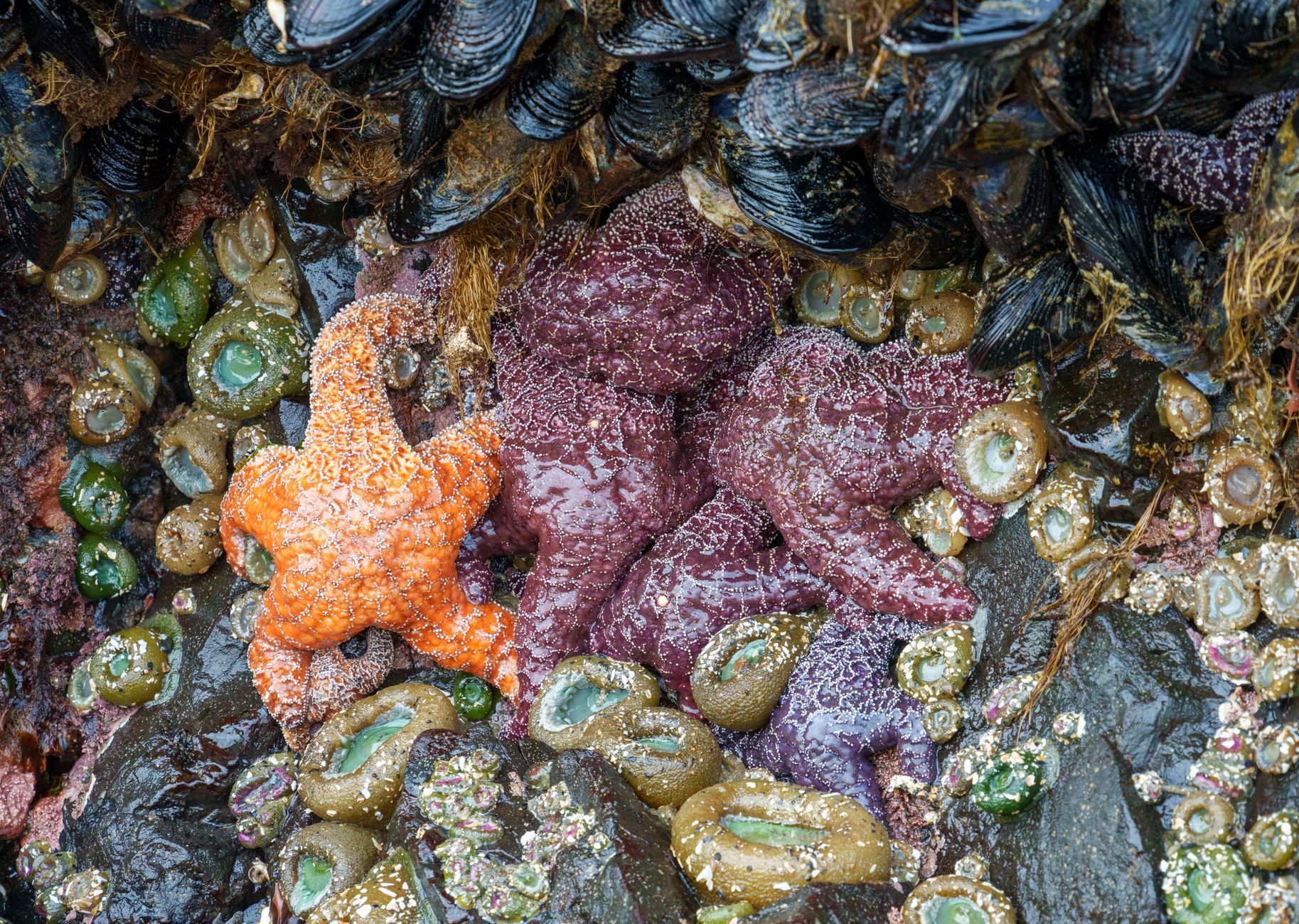
The sunflower sea star is one of the most remarkable creatures in the Pacific Ocean. It has 24 arms and can move quickly across the ocean floor. Sadly, billions of these animals have died in recent years. The species is now critically endangered.
Scientists believe that a disease caused the massive die-off. The population has not recovered on its own. If researchers do not act quickly, the sunflower sea star may disappear completely from the Pacific Northwest. This is a serious problem for the whole ocean ecosystem.
Fortunately, some groups have already started working on a solution. Researchers at the University of Washington are leading efforts to restore the population. They are studying how to raise healthy sea stars and return them to the ocean. The Samish Indian Nation is also partnering in this conservation effort. Their knowledge of the local environment is very important to the project.
The work is slow and difficult, but there is real hope. If the conservation program succeeds, sea star numbers will slowly increase again. Many people who care about the Pacific Ocean are watching this project closely. Scientists say that restoring the sunflower sea star will help keep the ocean healthy and balanced. It is a good example of what communities can do when they work together.
Highlighted sentences show the grammar focus structure.
Key Vocabulary
remarkable
/rɪˈmɑːrkəbəl/
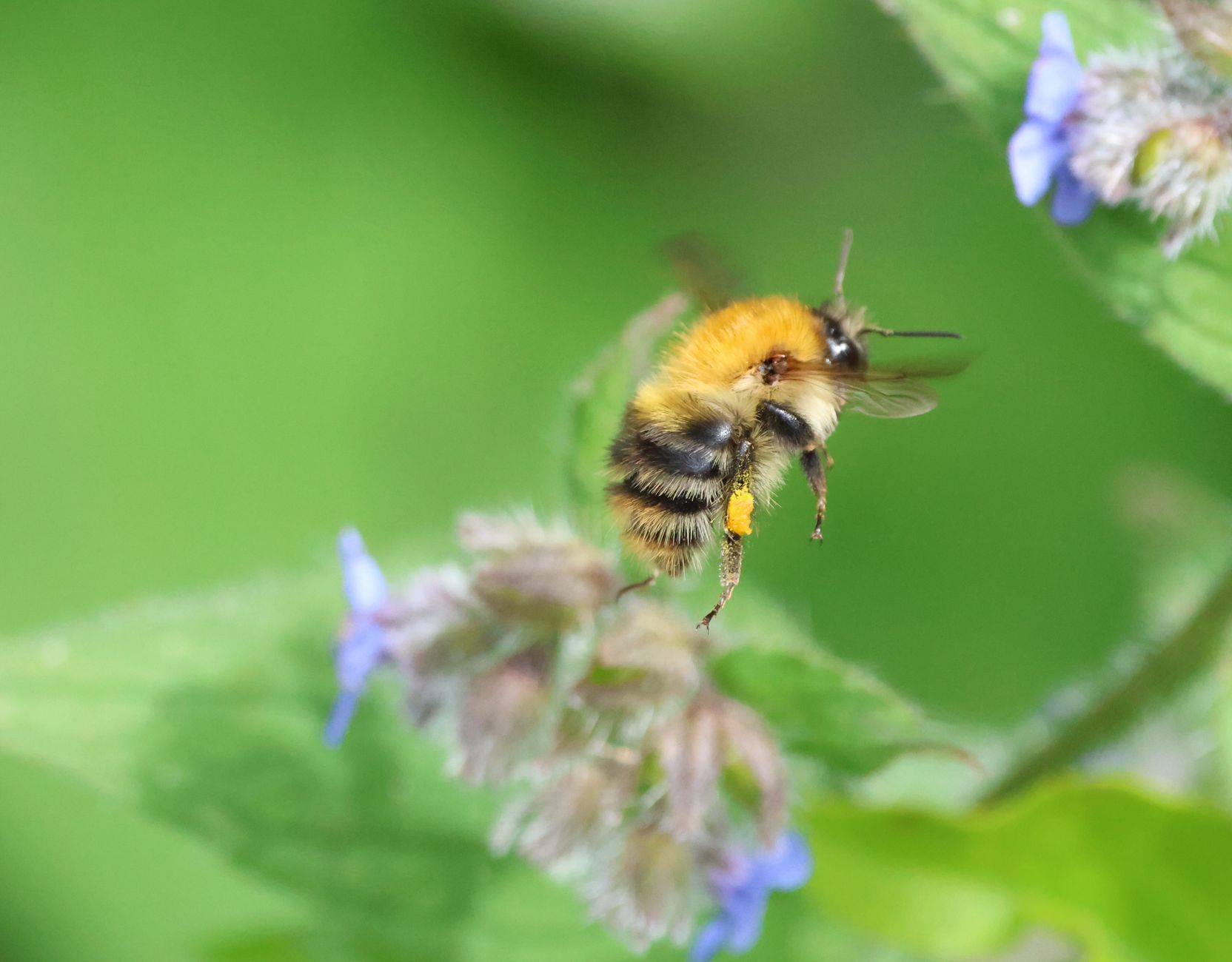
Something remarkable is very unusual or impressive and deserves attention.
She gave a remarkable performance at the school concert, and everyone stood up to clap.
endangered
/ɪnˈdeɪndʒərd/
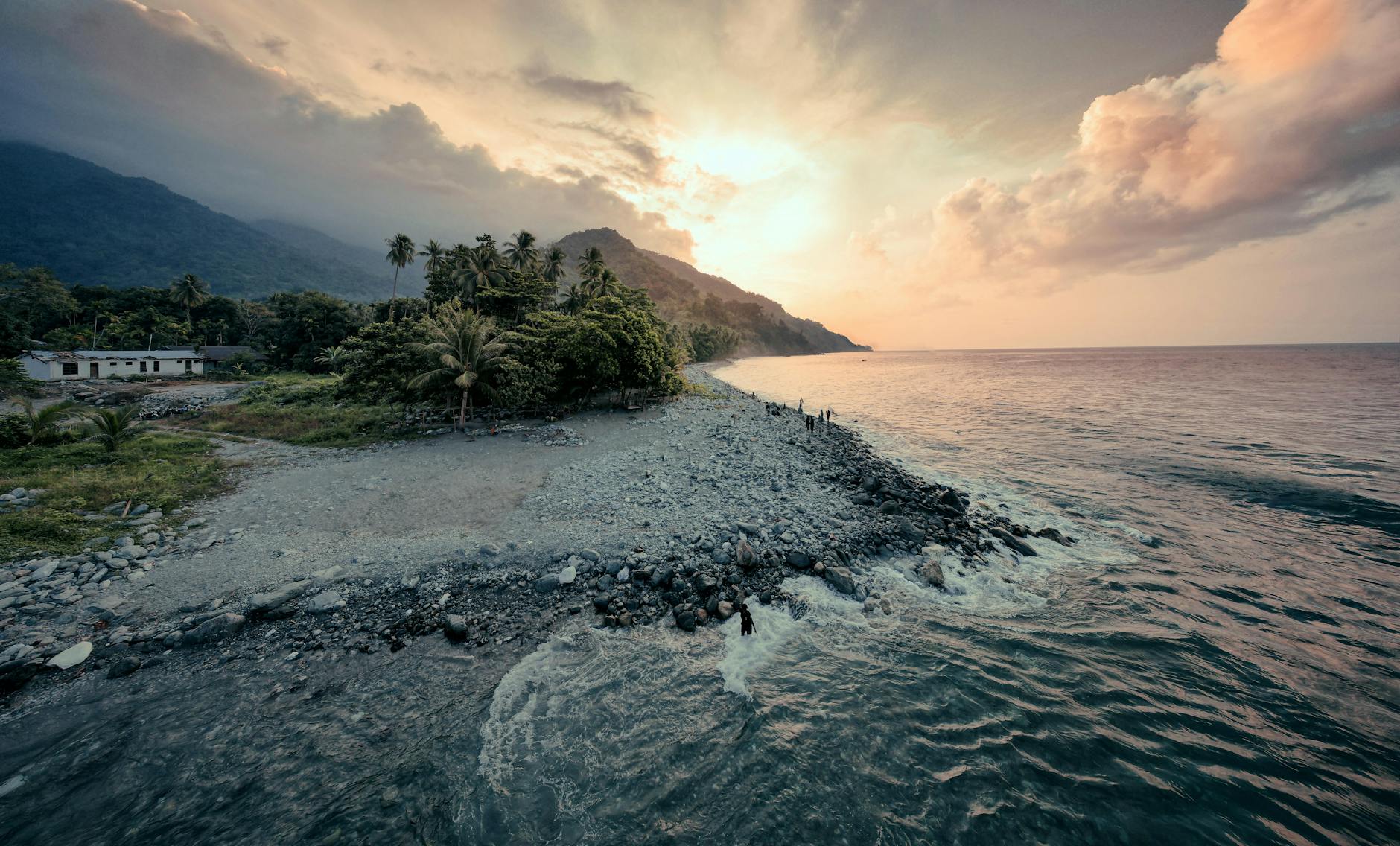
An endangered animal or plant is at serious risk of disappearing from the world completely.
The local wildlife group is raising money to protect endangered tigers in Asia.
ecosystem
/ˈiːkoʊˌsɪstəm/
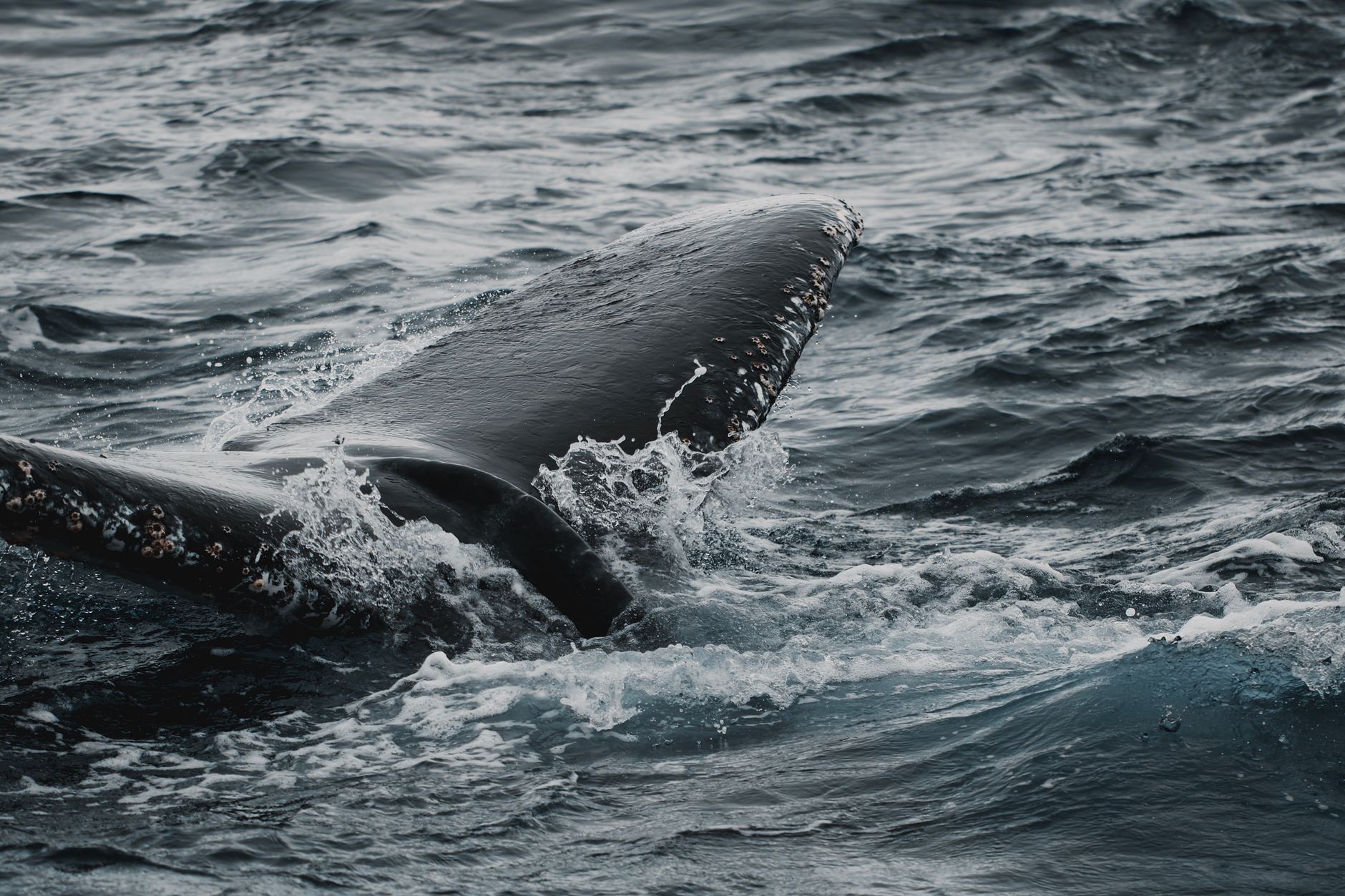
An ecosystem is all the plants, animals, and other living things in an area, together with their environment.
Cutting down too many trees can seriously damage the forest ecosystem.
restore
/rɪˈstɔːr/
To restore something means to bring it back to its earlier good condition or level.
The city spent two years working to restore the old bridge to its original condition.
conservation
/ˌkɒnsəˈveɪʃən/
Conservation is the careful protection of nature, animals, or the environment so they are not damaged or destroyed.
Many young people are interested in conservation and want to help protect wild animals.
partner
/ˈpɑːrtnər/
To partner with someone means to work together with them on a shared project or goal.
Our school decided to partner with a local charity to collect food for families in need.
| Image | Word | IPA | Definition | Example |
|---|---|---|---|---|
remarkable | /rɪˈmɑːrkəbəl/ | Something remarkable is very unusual or impressive and deserves attention. | She gave a remarkable performance at the school concert, and everyone stood up to clap. | |
endangered | /ɪnˈdeɪndʒərd/ | An endangered animal or plant is at serious risk of disappearing from the world completely. | The local wildlife group is raising money to protect endangered tigers in Asia. | |
ecosystem | /ˈiːkoʊˌsɪstəm/ | An ecosystem is all the plants, animals, and other living things in an area, together with their environment. | Cutting down too many trees can seriously damage the forest ecosystem. | |
restore | /rɪˈstɔːr/ | To restore something means to bring it back to its earlier good condition or level. | The city spent two years working to restore the old bridge to its original condition. | |
conservation | /ˌkɒnsəˈveɪʃən/ | Conservation is the careful protection of nature, animals, or the environment so they are not damaged or destroyed. | Many young people are interested in conservation and want to help protect wild animals. | |
partner | /ˈpɑːrtnər/ | To partner with someone means to work together with them on a shared project or goal. | Our school decided to partner with a local charity to collect food for families in need. |
Grammar Spotlight
First Conditional — Real Future Situations
If + present simple, will + base verb
When do we use it?
- Use it to talk about a real or likely situation in the future and its result — you genuinely think it could happen.
- Use it to give warnings, make predictions, or describe consequences based on a condition.
- Use it when one future action depends on another — the 'if' part is the condition, the 'will' part is the outcome.
How is it formed?
If + subject + present simple+subject + will + base verb
The 'if' clause can come first or second in the sentence.
★Real possibility → use present, then will!
See it in action
If scientists find a cure for the disease, the sunflower sea star will survive.
The species will disappear forever if we don't act quickly.
If the sea star population recovers, ocean ecosystems will become healthier.
If you study the ocean floor, you will discover amazing creatures.
Remember this
✗If scientists will find a cure, the sea star will survive.
✓If scientists find a cure, the sea star will survive.
Never use 'will' in the 'if' clause — use present simple there, even though you mean the future.
✗If the disease spreads, the species would disappear.
✓If the disease spreads, the species will disappear.
'Would' belongs to the second conditional (unreal situations). Use 'will' for real, possible futures.
✗If we don't act, we lose these animals forever.
✓If we don't act, we will lose these animals forever.
The result clause needs 'will' to show a future consequence — present simple alone is not enough here.
Discussion Questions
- 1.
Are there any animals or plants in your country that are endangered or at risk of disappearing? What do people there do to protect them?
- 2.
Have you ever done anything to help protect nature or the environment — for example, cleaning up a park or recycling? How did it make you feel?
- 3.
The article says communities can achieve great things when they work together. Do you think people in your city or town are good at working together to solve local problems? Why or why not?
Comprehension Questions
- 1.
Why is the sunflower sea star now critically endangered?
- 2.
What role does the Samish Indian Nation play in the conservation effort?
- 3.
How are researchers at the University of Washington trying to help the sea star?
- 4.
Where is the sunflower sea star most at risk of disappearing completely?
- 5.
What will happen to the ocean if the conservation program succeeds?
View answers for the comprehension questions
- 1.Scientists believe a disease caused billions of sea stars to die. The population has not been able to recover on its own.
- 2.The Samish Indian Nation is partnering with researchers on the project. Their knowledge of the local environment is described as very important to the work.
- 3.They are studying how to raise healthy sea stars and then return them to the ocean.
- 4.The article says the sunflower sea star may disappear completely from the Pacific Northwest if researchers do not act quickly.
- 5.If the program succeeds, sea star numbers will slowly increase again, which scientists say will help keep the ocean healthy and balanced.
Test your knowledge
Question 1Fill-in-the-blank
The snow leopard is an ____ animal, so scientists are working hard to protect it from disappearing.
Question 2Fill-in-the-blank
Everyone stopped to look at the street performer because her skills were truly ____.
Question 3Fill-in-the-blank
The old library was closed for two years so workers could ____ it to its original condition.
Question 4Fill-in-the-blank
The school decided to ____ with a local business to provide students with work experience.
View answers for test your knowledge
- 1.endangered
- 2.remarkable
- 3.restore
- 4.partner
Practice this topic live
Use what you’ve learned in a real 1:1 English conversation with an experienced Talk4Impact tutor.
Practice with tutor