
Sunflower sea star conservation efforts in the Pacific Northwest
Level
b2
Topic
environment
Read this at a different level:b1c1
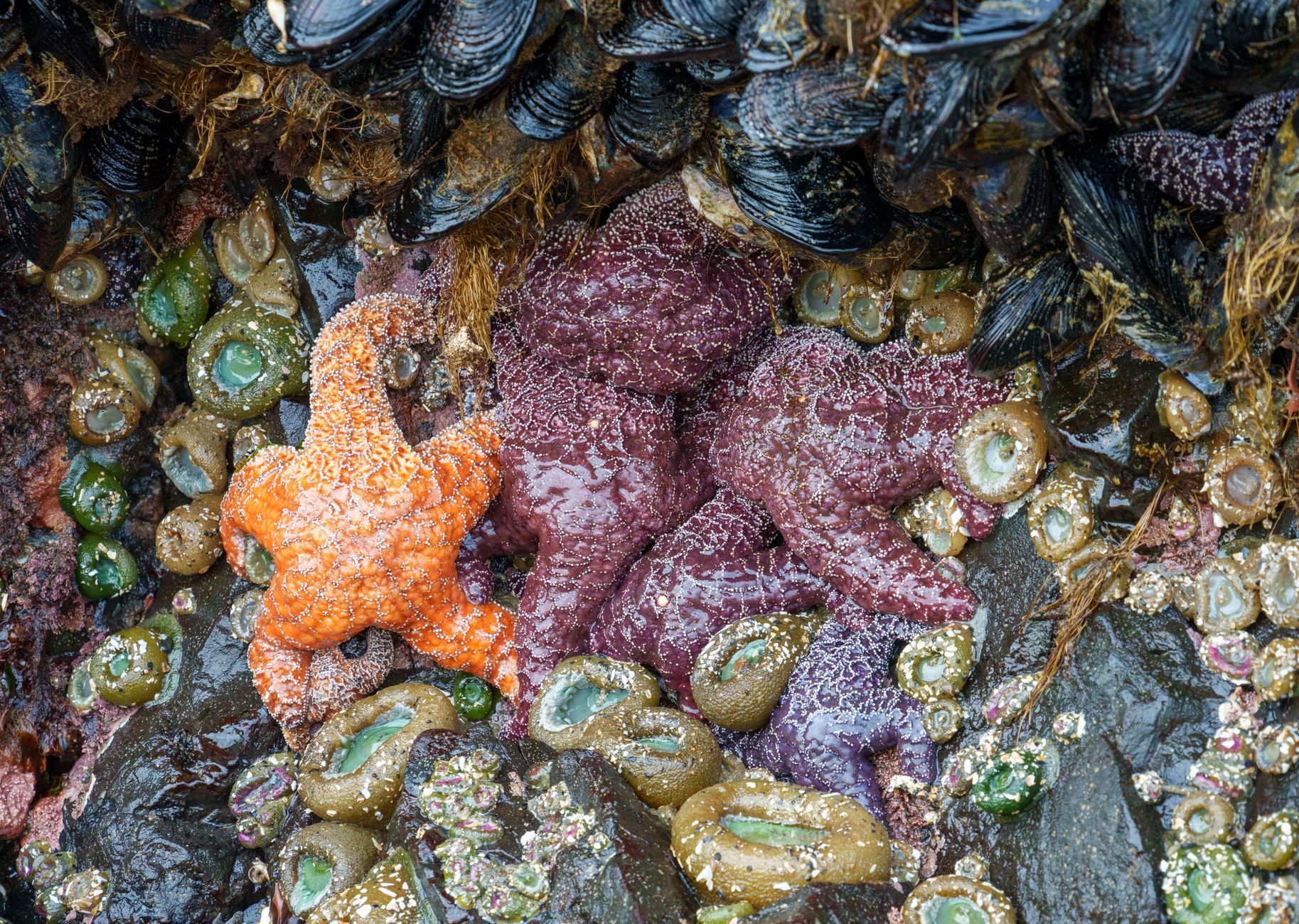
Once found in enormous numbers along the Pacific Northwest coast, the sunflower sea star has been described by marine biologists as one of the ocean's most important predators. Today, however, it has been listed as critically endangered — a status that would have seemed almost unimaginable just two decades ago. Billions of these animals have died across the Pacific Ocean, and the ecological consequences have been considerable.
The sunflower sea star is a remarkable creature. It has 24 arms and can move surprisingly quickly across the seafloor, hunting sea urchins and other invertebrates. When populations of this species collapsed, sea urchin numbers grew unchecked, and vast stretches of kelp forest were destroyed. The balance that had been maintained for centuries was gone.
Efforts to reverse this damage are now being led by researchers at the University of Washington, who have partnered with the Samish Indian Nation to carry out a coordinated restoration programme. The collaboration, which draws on both scientific expertise and Indigenous ecological knowledge, represents a significant shift in how conservation work is being approached in the region. It seems that meaningful progress can only be made when different communities work together.
The species must be bred carefully in controlled conditions before any individuals can be returned to the wild. Researchers have pointed out that the process is slow and technically demanding. Nevertheless, the programme has already produced results that might not have been achieved without this level of cooperation. The Samish Indian Nation, whose ancestral waters include much of the affected coastline, has been involved in monitoring and decision-making from the beginning.
Whether the sunflower sea star will eventually be removed from the critically endangered list remains uncertain. What is clear is that the restoration effort is being taken seriously — and that the partnership model being used here could be adopted elsewhere in the future.
Highlighted sentences show the grammar focus structure.
Key Vocabulary
predator
/ˈprɛdətər/
An animal that hunts and kills other animals for food.
The wolf is a highly effective predator that plays a key role in keeping deer populations under control.
unchecked
/ʌnˈtʃɛkt/
Allowed to grow or continue without any control or limit being applied.
If the spread of misinformation goes unchecked, it can seriously damage public trust in institutions.
restoration
/ˌrɛstəˈreɪʃən/
The process of returning something to its original or healthy condition after it has been damaged or lost.
The city launched a major restoration project to bring the historic theatre back to its former appearance.
collaboration
/kəˌlæbəˈreɪʃən/
The act of working together with one or more people or groups to achieve a shared goal.
The new product was developed through a close collaboration between the design team and the engineering department.
expertise
/ˌɛkspərˈtiːz/
A high level of knowledge or skill in a particular subject or area.
The company brought in a consultant with expertise in digital marketing to help grow their online presence.
considerable
/kənˈsɪdərəbəl/
Large or important enough to be worth paying attention to; notably significant in size or degree.
Moving to a new country requires a considerable amount of planning and emotional adjustment.
adopt
/əˈdɒpt/
To choose to start using a particular method, approach, or idea.
Many schools have decided to adopt a more flexible approach to homework during exam periods.
| Image | Word | IPA | Definition | Example |
|---|---|---|---|---|
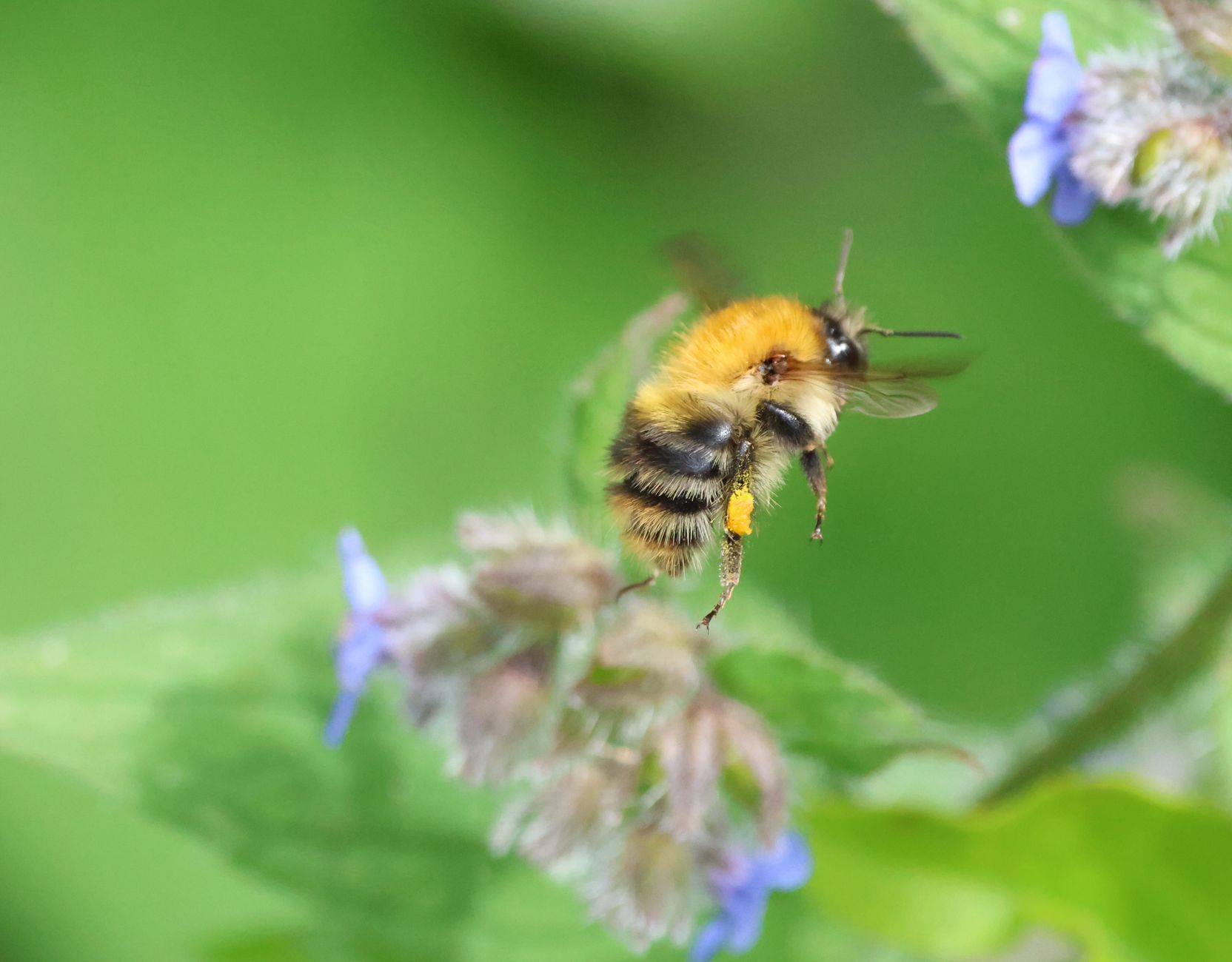
predator | /ˈprɛdətər/ | An animal that hunts and kills other animals for food. | The wolf is a highly effective predator that plays a key role in keeping deer populations under control. | |
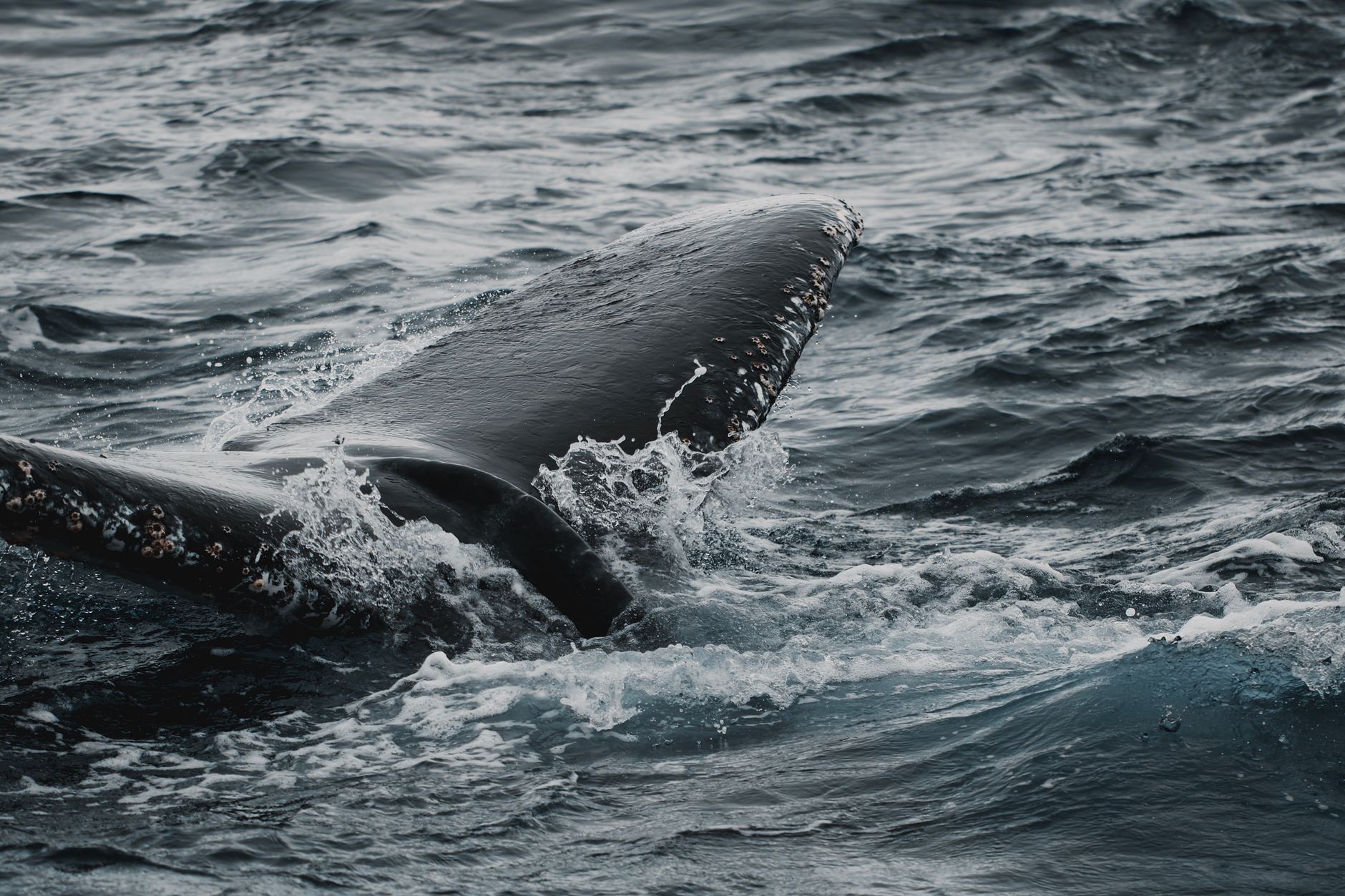
unchecked | /ʌnˈtʃɛkt/ | Allowed to grow or continue without any control or limit being applied. | If the spread of misinformation goes unchecked, it can seriously damage public trust in institutions. | |
restoration | /ˌrɛstəˈreɪʃən/ | The process of returning something to its original or healthy condition after it has been damaged or lost. | The city launched a major restoration project to bring the historic theatre back to its former appearance. | |
collaboration | /kəˌlæbəˈreɪʃən/ | The act of working together with one or more people or groups to achieve a shared goal. | The new product was developed through a close collaboration between the design team and the engineering department. | |
expertise | /ˌɛkspərˈtiːz/ | A high level of knowledge or skill in a particular subject or area. | The company brought in a consultant with expertise in digital marketing to help grow their online presence. | |
considerable | /kənˈsɪdərəbəl/ | Large or important enough to be worth paying attention to; notably significant in size or degree. | Moving to a new country requires a considerable amount of planning and emotional adjustment. | |
adopt | /əˈdɒpt/ | To choose to start using a particular method, approach, or idea. | Many schools have decided to adopt a more flexible approach to homework during exam periods. |
Grammar Spotlight
Non-defining Relative Clauses
noun + , who / which / whose / where , + extra information
When do we use it?
- Use a non-defining relative clause to add extra, non-essential information about a noun that is already clearly identified — the sentence remains complete and logical without it.
- Choose 'who' for people, 'which' for things or ideas, 'whose' to show possession, and 'where' for places — never use 'that' in non-defining clauses.
- Use this structure in writing and formal speech to add detail, background, or commentary without starting a new sentence — it keeps your writing fluent and sophisticated.
How is it formed?
noun (already identified)+, who / which / whose / where + extra information ,+main clause continues
Commas are essential — they signal the clause is extra, not defining
★Commas = bonus info. Remove it, the sentence still works.
See it in action
The sunflower sea star, which was once found in enormous numbers, is now critically endangered.
Marine biologists, who have studied Pacific coast ecosystems for decades, describe the sea star as a keystone predator.
The Pacific Northwest coast, where the sunflower sea star once thrived, has seen dramatic ecological changes.
The sea star's decline, whose causes include a devastating wasting disease, has alarmed conservationists worldwide.
Remember this
Defining relative clause (no commas — essential)
- •The sea star that lives in the Pacific is critically endangered. (tells us WHICH sea star)
- •Scientists who study marine ecosystems are raising the alarm. (tells us WHICH scientists)
Non-defining relative clause (commas — extra info)
- •The sunflower sea star, which lives in the Pacific, is critically endangered. (we already know which one)
- •Marine biologists, who study ecosystems, are raising the alarm. (we already know who)
If removing the relative clause makes the sentence unclear or incomplete, it is defining (no commas); if the sentence still makes perfect sense without it, it is non-defining (use commas).
Discussion Questions
- 1.
In your country, are there any animals or natural environments that are considered endangered or at risk? What do people there generally think about efforts to protect them?
- 2.
The article describes a collaboration between scientists and an Indigenous community as a key factor in making progress. To what extent do you think involving local communities — rather than relying only on outside experts — leads to better outcomes in problem-solving?
- 3.
Think about a place in your country — a forest, a river, a coastline, or another natural area — that has changed significantly during your lifetime or your family's lifetime. What caused those changes, and how do people in your community feel about them?
- 4.
How much responsibility do you think individuals have for protecting the natural environment, compared to governments or large organisations? What factors shape your view on this?
Comprehension Questions
- 1.
Why has the decline of the sunflower sea star had such a serious impact on kelp forests?
- 2.
What makes the partnership between the University of Washington and the Samish Indian Nation significant, according to the article?
- 3.
How does the article suggest that the restoration programme could have a broader impact beyond the Pacific Northwest?
- 4.
What might have happened to the kelp forests if the sunflower sea star had never been listed as critically endangered and no restoration programme had been launched?
- 5.
To what extent does the article present the outcome of the restoration programme as certain or guaranteed?
View answers for the comprehension questions
- 1.The sunflower sea star hunted sea urchins, keeping their numbers under control. When the sea star population collapsed, sea urchin numbers grew unchecked and destroyed vast stretches of kelp forest, removing a balance that had existed for centuries.
- 2.The partnership is significant because it combines scientific expertise with Indigenous ecological knowledge, representing a shift in how conservation work is approached. The Samish Indian Nation has also been involved in monitoring and decision-making from the start, not just as a secondary contributor.
- 3.The article suggests that the partnership model being used in this programme could be adopted elsewhere in the future, implying that the collaborative approach has lessons for conservation efforts in other regions.
- 4.If no action had been taken, sea urchin populations would likely have continued to grow unchecked, destroying even more kelp forest. The ecological damage would probably have become increasingly difficult or impossible to reverse.
- 5.The article does not present the outcome as certain at all — it explicitly states that whether the sunflower sea star will be removed from the critically endangered list 'remains uncertain.' However, it does suggest cautious optimism by noting that the programme has already produced results and is being taken seriously.
Test your knowledge
Question 1Fill-in-the-blank
The fox is a skilled ____ that hunts small animals such as rabbits and mice to survive.
Question 2Fill-in-the-blank
The old library underwent a careful ____ that returned its original wooden floors and painted ceilings to their former condition.
Question 3Fill-in-the-blank
The school decided to ____ a new system for giving feedback to students, replacing the old written reports with regular one-to-one conversations.
Question 4Fill-in-the-blank
The project was completed ahead of schedule thanks to the close ____ between the design team and the engineers, who shared ideas at every stage.
Question 5Fill-in-the-blank
She has spent twenty years studying nutrition, and her ____ in the field is widely respected by other professionals.
View answers for test your knowledge
- 1.predator
- 2.restoration
- 3.adopt
- 4.collaboration
- 5.expertise
Practice this topic live
Use what you’ve learned in a real 1:1 English conversation with an experienced Talk4Impact tutor.
Practice with tutor